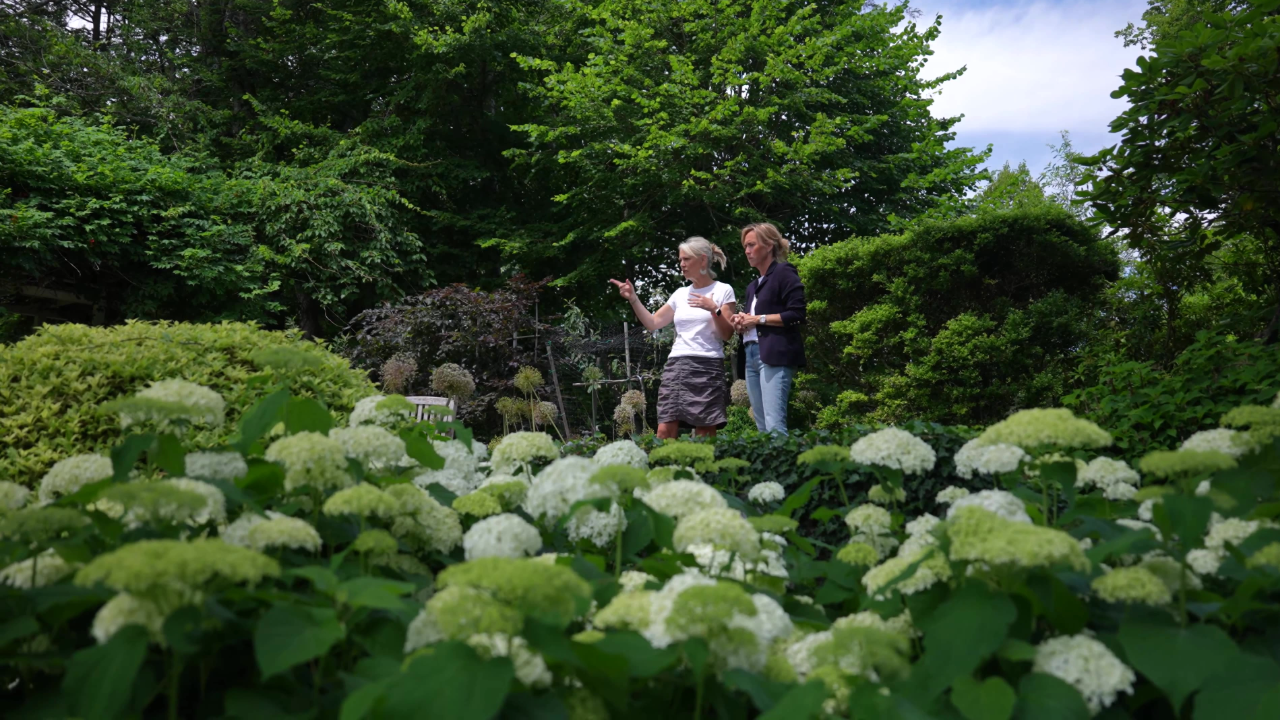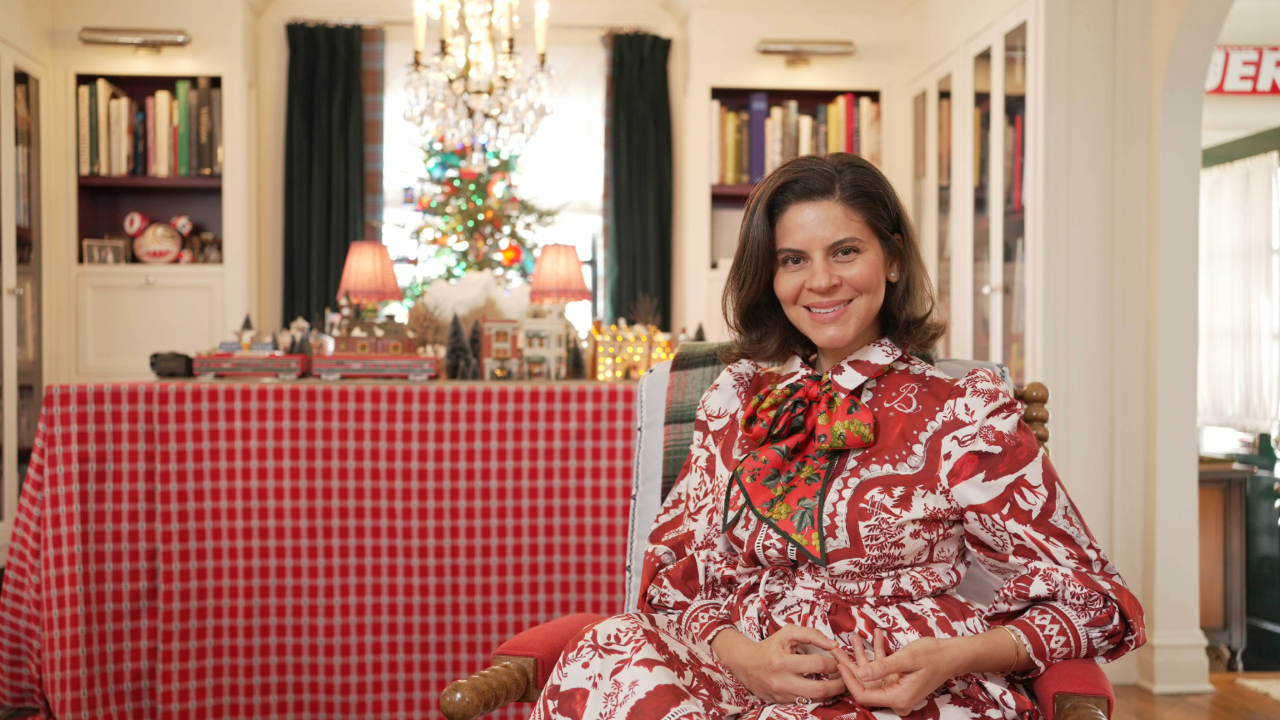


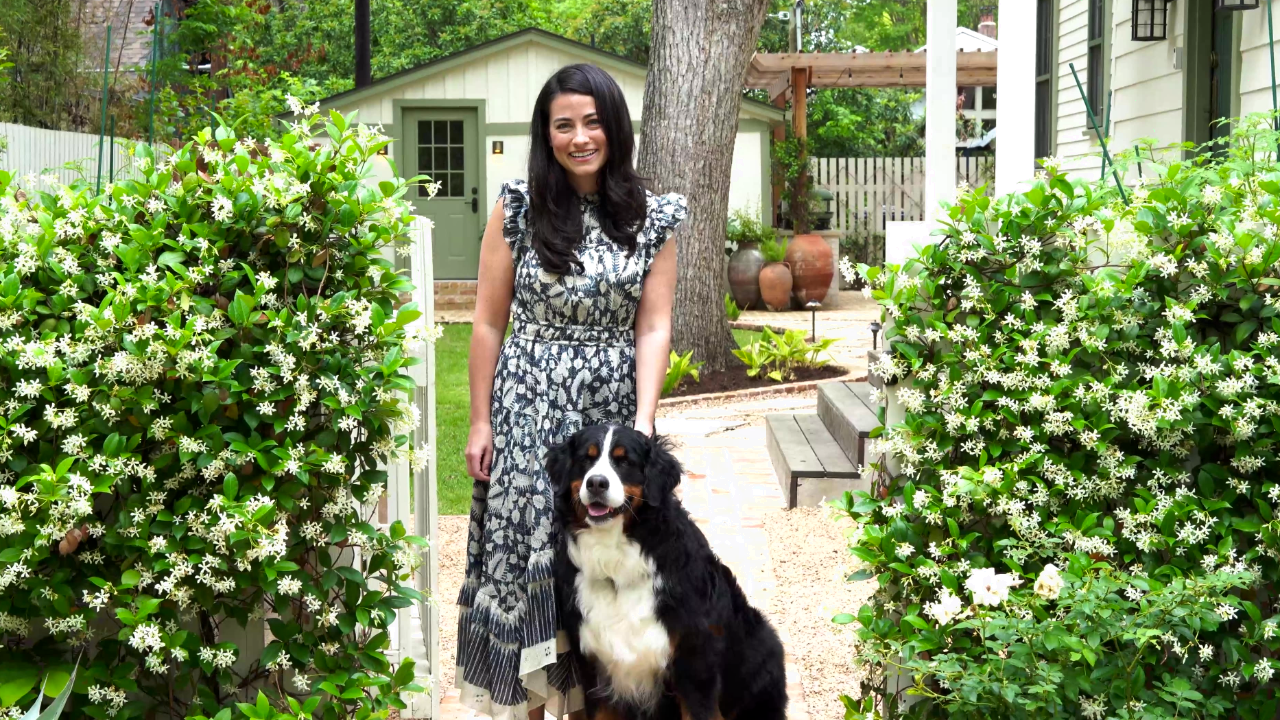

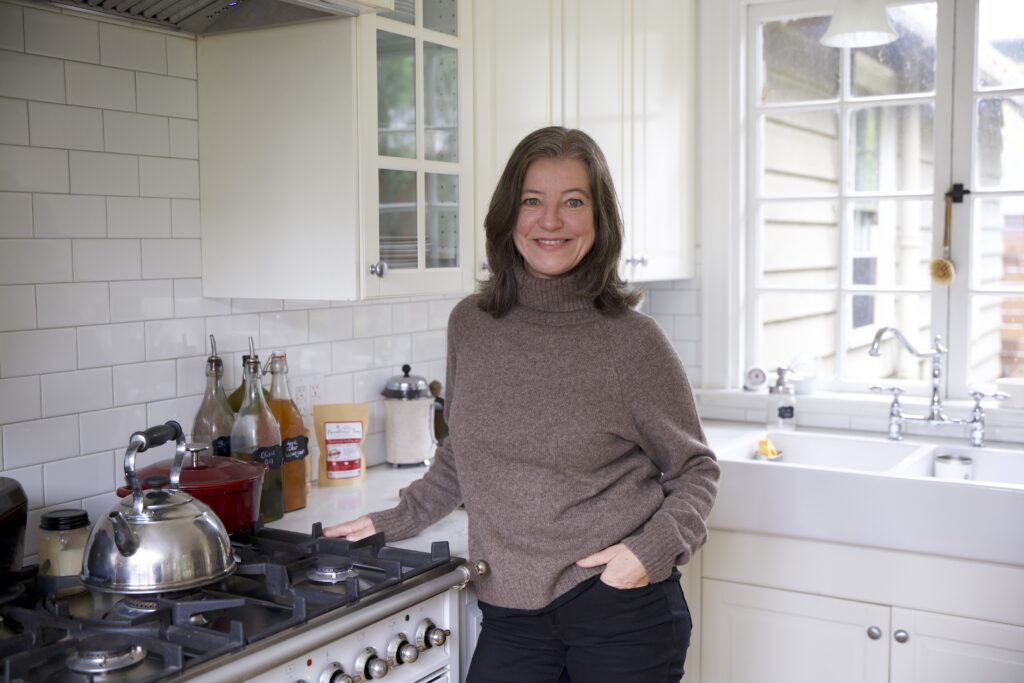
If you’ve ever wondered why homes in Germany feel so different from houses in the United States, you’re not alone. For Anja Eckert — the German-born creator behind the popular YouTube channel and blog Our Gabled Home — this question is personal. Having grown up in Germany and moved to Northern California in the late 1990s, Anja has spent decades living between two worlds, and her firsthand perspective on the contrast between German and American homes is both compelling and insightful.
With over 160,000 subscribers on YouTube, Anja has built a devoted community around heritage homemaking, sourdough baking, and traditional German culture. But one of her most talked-about topics is the cultural and architectural divide between the country she grew up in and the country she now calls home.
What Makes German Homes Different? Anja Eckert Breaks It Down
In her video exploring the differences between German and American homes, Anja draws on decades of lived experience to walk viewers through the surprising contrasts. As someone who grew up in a German household shaped by her grandparents’ deeply sustainable, self-sufficient lifestyle she brings an authenticity to the subject that resonates deeply with her audience.
Here are the major differences Anja and her community highlight:
1. Building Materials: Brick and Concrete vs. Wood Framing
One of the most fundamental differences between German and American homes lies in how they’re built. In the United States, wood framing is the standard — it’s cheap, widely available, and fast to construct. In Germany, however, homes are typically constructed using concrete, rebar, and limestone brick masonry (known as Kalksandsteinmauerwerk). The result is a home that is significantly more solid, better insulated, and remarkably soundproof. Anja notes that this also means German homes stay naturally cooler in summer and warmer in winter — without the need for constant air conditioning.
2. No Closets — Seriously, None
American homeowners are accustomed to walk-in closets, linen closets, hall closets, and built-in storage throughout the house. German homes have virtually none of this. Instead, German families rely on freestanding wardrobes and storage furniture — a tradition that Anja says reflects a more minimalist, intentional approach to possessions. It may feel like a blank slate at first, but it also gives homeowners more freedom to design their own storage solutions.
3. The Kitchen Culture Shock
Perhaps the most surprising difference for American visitors to Germany is the kitchen — or rather, the lack of one. When Germans move out of a home or apartment, they typically take their entire kitchen with them: cabinets, countertops, appliances, everything. This means new tenants often inherit an empty room with nothing but plumbing stubs in the wall. While it sounds extreme to American ears, it reflects the German cultural view that the kitchen belongs to the homeowner, not the house. Anja brings this perspective to life with the warmth of someone who grew up cooking in such a kitchen.
4. Windows That Tilt, Open Like Doors — and Have No Screens
German windows are a revelation. Unlike American windows that slide up-and-down or wind open, German windows feature a tilt-and-turn mechanism: they can be opened fully like a door, or tilted inward at the top for ventilation. They’re thick, energy-efficient, and triple-paned in many modern homes. There’s also a beloved German practice called lüften — intentionally airing out rooms each day by opening windows wide, which is considered essential to preventing mold and maintaining air quality. Notably, German windows traditionally don’t have window screens, though this is changing as summers grow warmer.
5. Energy Efficiency as a Way of Life
Central air conditioning is rare in German homes — and for good reason. The thick, well-insulated concrete walls naturally regulate temperature throughout the seasons. Where Americans might crank the AC, Germans open windows strategically and rely on their home’s construction to do the heavy lifting. This approach aligns seamlessly with Anja’s broader philosophy of sustainable, heritage living that she shares across her platform.
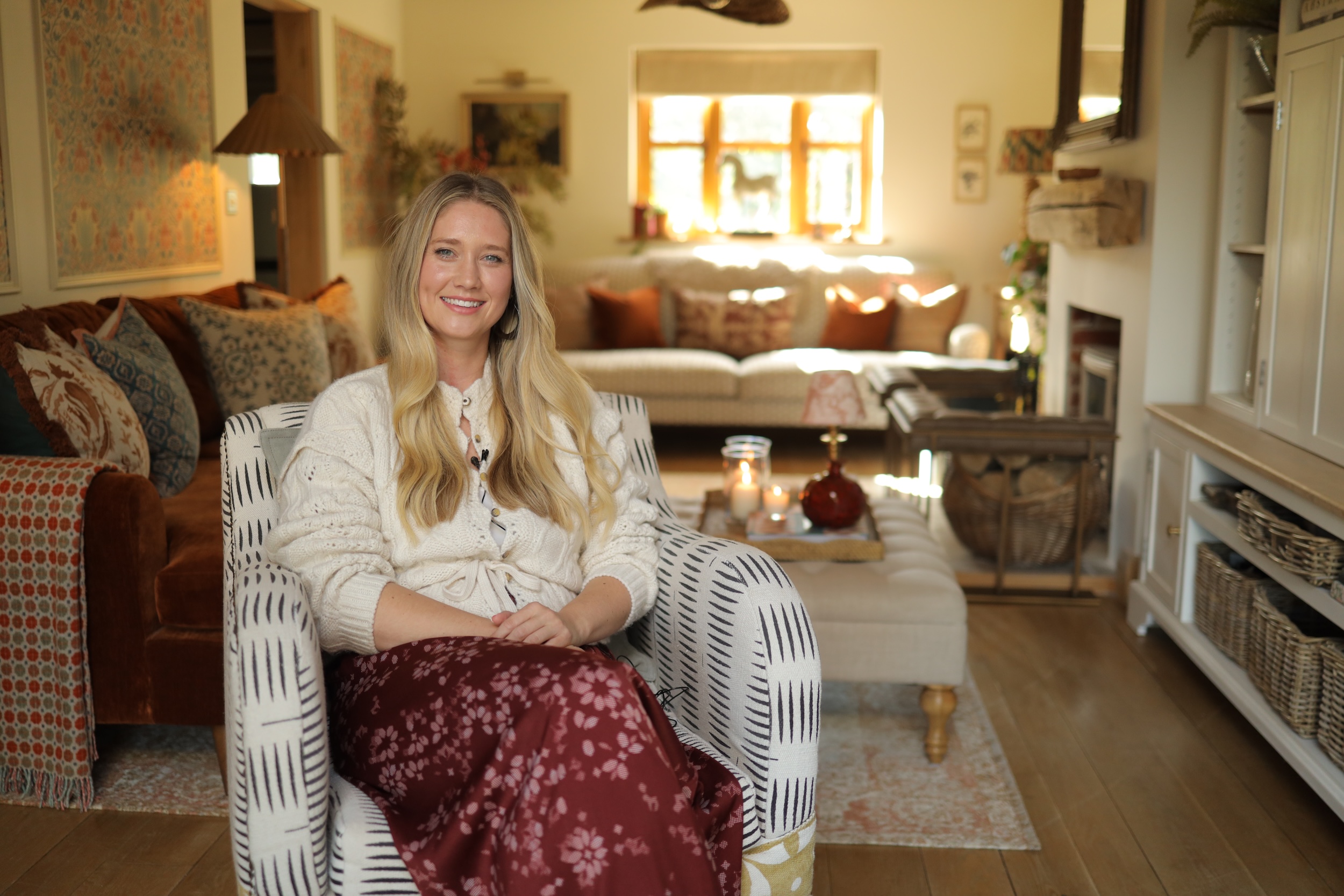
Who Is Anja Eckert? The Woman Behind Our Gabled Home
Anja Eckert grew up in Germany, where her grandparents quietly modeled a way of living that was organic, seasonal, and deeply rooted in tradition — long before those words became trendy buzzwords. She watched them forage for elderberries, nurture a large kitchen garden, and practice the kind of slow, intentional homemaking that has since become Anja’s signature style.
After moving to Northern California in 1996, she wove her German heritage into her American life, raising a family and eventually launching Our Gabled Home — named after the gabled roof of her 1910 Victorian home. Today, the channel and blog attract hundreds of thousands of followers who are drawn to her approachable, no-fuss take on heritage skills: from sourdough baking passed down through her family for generations, to traditional German recipes, DIY projects, and yes, honest reflections on the cultural differences between her two homes.
Anja is also the author of Sourdough Simplified, a book that distills her family’s generations-old, no-discard sourdough method into an accessible guide for modern home bakers.
5 More Must-Watch Videos from Our Gabled Home
If the German vs. American homes video piques your curiosity, Anja’s channel is full of equally captivating content. Here are five of her most beloved videos:
1. No More Feeding or Discarding: Simplify Sourdough Baking Now
This video is a game-changer for anyone who has been put off by the demands of traditional sourdough maintenance. Anja walks viewers through her family’s method, which eliminates the daily feeding and discarding ritual that most sourdough guides insist upon. Using just buttermilk, water, and flour, the starter comes together simply and reliably — and the results speak for themselves. Rooted in her grandmother’s kitchen, this approach has helped thousands of viewers finally commit to baking sourdough at home.
2. What Germans Really Eat for Supper: Traditional Abendbrot
One of Anja’s most warmly received videos introduces viewers to Abendbrot — Germany’s traditional evening meal of bread, cold cuts, cheese, spreads, and pickles. Unlike the hot dinner most Americans are accustomed to, this is a cozy, communal spread centered on good bread and togetherness. Anja explains that nearly half of all Germans still enjoy Abendbrot today, and her video inspired countless viewers to try it with their own families. The comments section overflows with people sharing childhood memories of eating Abendbrot with grandparents.
3. The Easiest Way to Make a Sourdough Starter
For viewers who are completely new to sourdough, this is the perfect entry point. Anja strips the process down to its bare essentials, showing that a healthy, active sourdough starter doesn’t require fancy equipment or a complicated schedule. Her calm, encouraging teaching style makes this video a go-to recommendation in sourdough communities, and many viewers credit it as the video that finally made sourdough feel accessible rather than intimidating.
4. Have a Traditional German Breakfast With Us | Frühstück
In this warm, inviting video, Anja welcomes viewers to the table for a classic German Frühstück — breakfast. Far from a quick bowl of cereal, the German breakfast tradition is a leisurely, communal affair featuring fresh bread, soft-boiled eggs, cold cuts, cheese, jam, and strong coffee. Anja brings it to life with her signature blend of storytelling and practical guidance, and viewers frequently comment that it makes them want to slow down and start their own mornings with more intention.
5. Cross-Back Apron | Easy Sewing Tutorial
Proof that Our Gabled Home is about far more than food, this sewing tutorial shows viewers how to make a beautiful cross-back apron from scratch. Anja walks through the pattern and construction in her characteristically unhurried, approachable way, making it feel achievable even for beginners. The apron itself has become something of a symbol for the channel’s aesthetic — practical, handmade, and rooted in the joy of creating something with your own hands.
Why Millions Keep Coming Back to Our Gabled Home

In an era of fast content and trend-chasing, Our Gabled Home offers something increasingly rare: knowledge passed down through generations, shared with genuine care. Anja’s unique position as a German woman living in the American West gives her video on German versus American homes a depth and authenticity that purely academic comparisons cannot match. She doesn’t just describe differences — she’s lived them, navigated them, and found a way to honor both cultures in her daily life.
Whether you’re an expat longing for a taste of home, a homesteader curious about European building traditions, or simply someone who has always wondered why German homes feel so different, Anja’s channel is a treasure trove worth exploring.
You can find Anja Eckert at OurGabledHome.com and on YouTube at Our Gabled Home.