



City Living
Explore Robert Couturier’s Richly Layered Harlem Townhouse
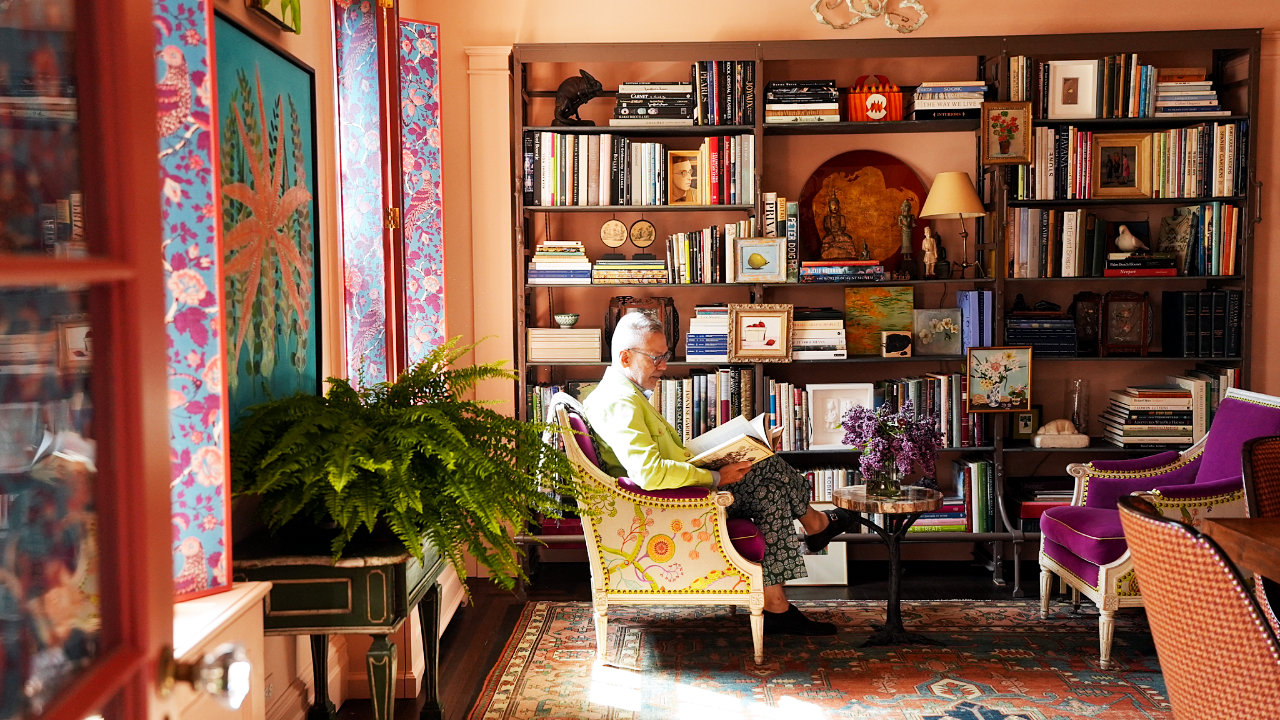
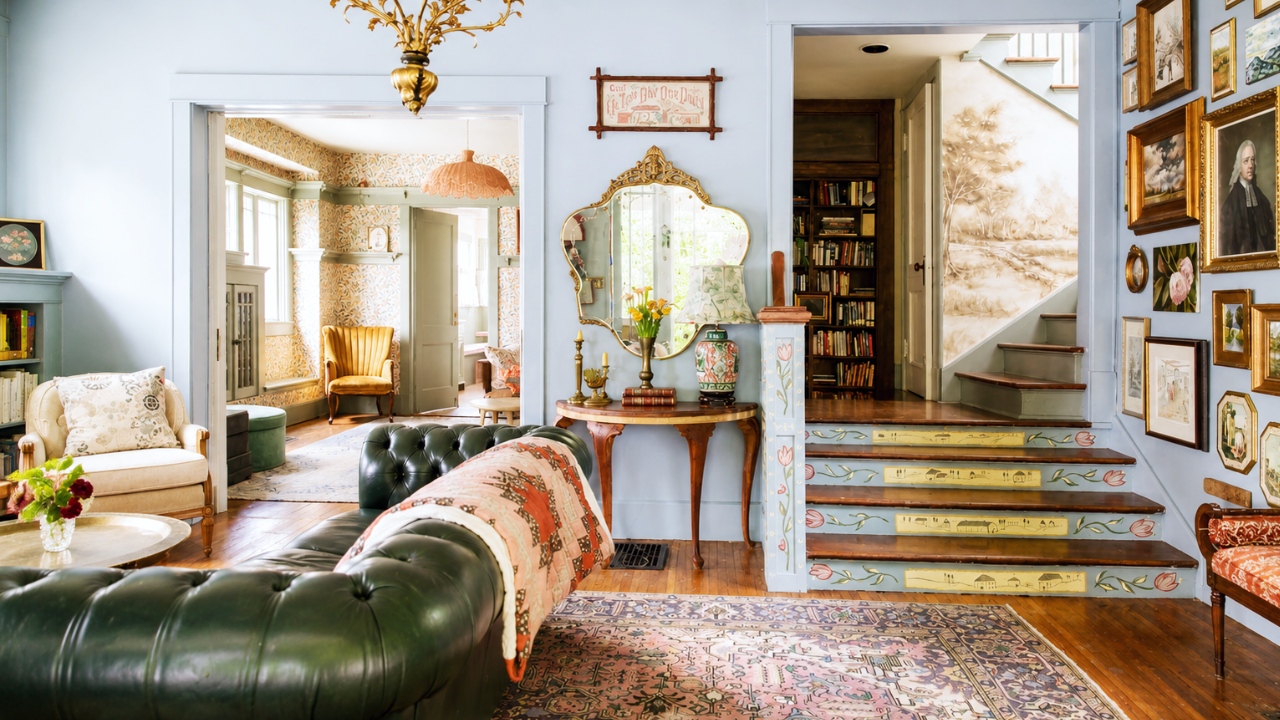
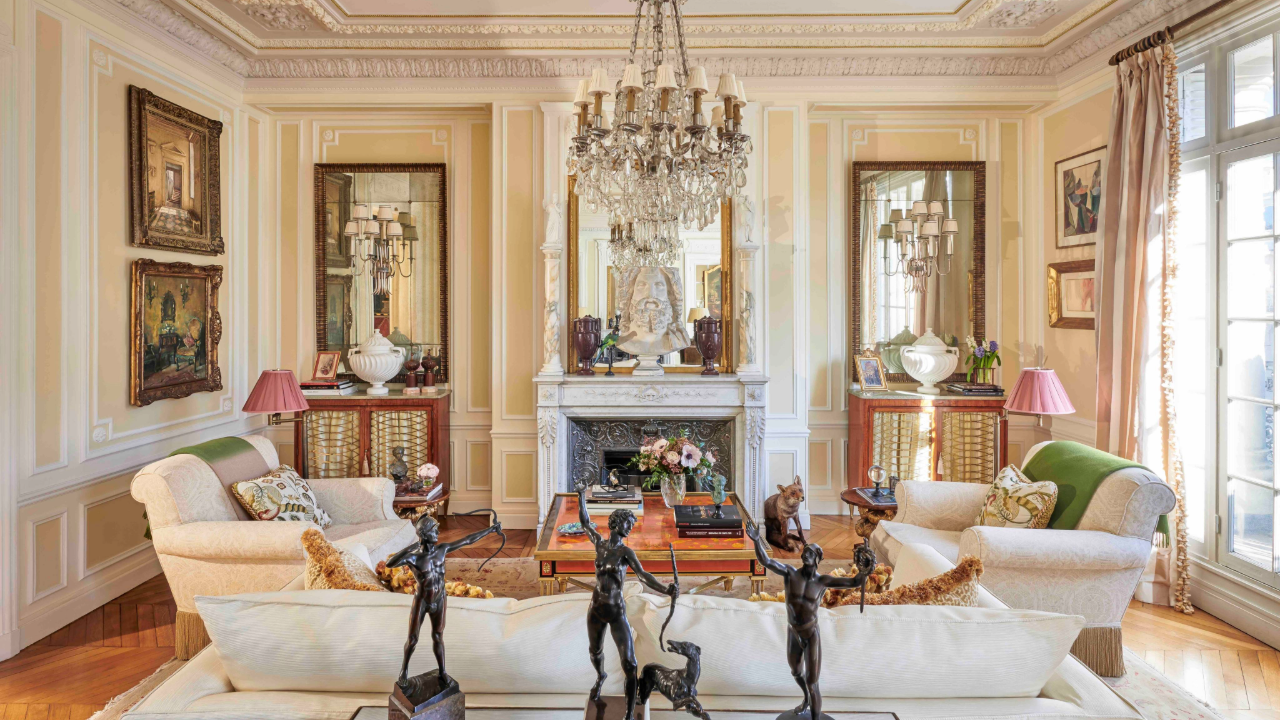
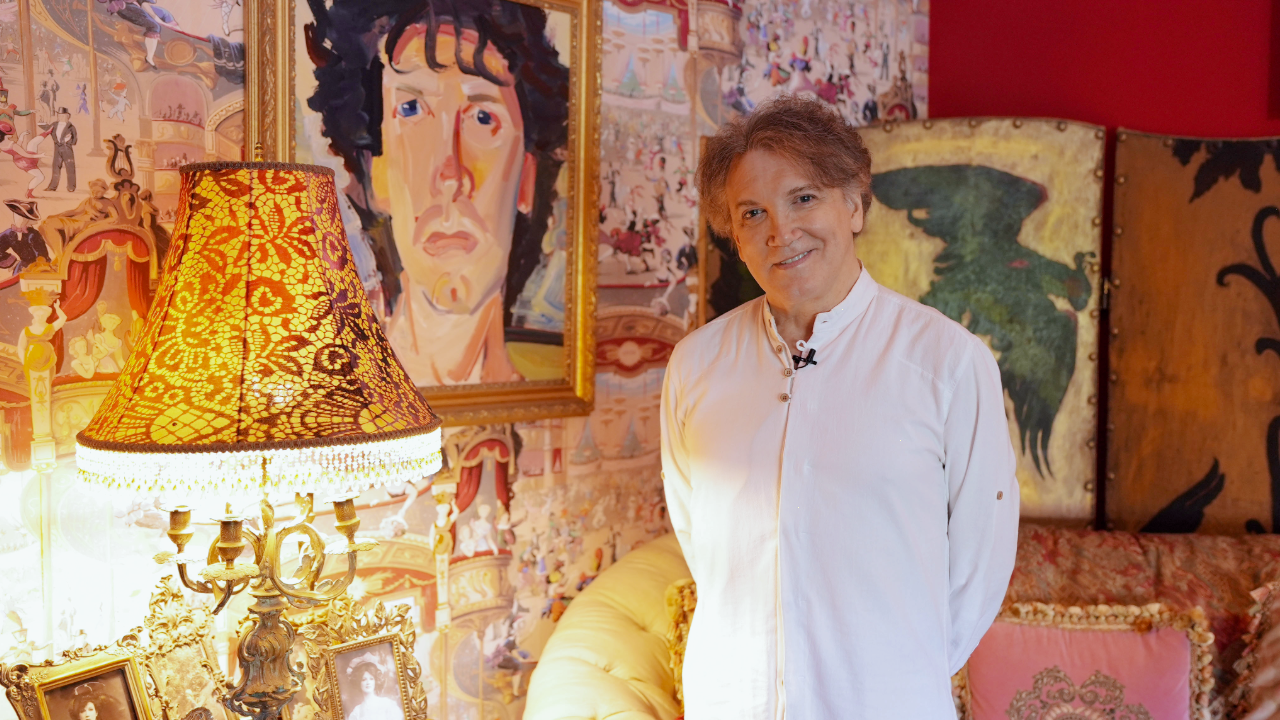
In a historic Harlem townhouse, acclaimed interior designer Robert Couturier has created a richly layered home where centuries of art, antiques, and personal treasures coexist with remarkable ease.
Shaped by his Parisian upbringing and five decades spent designing around the world, the interiors reflect his instinctive approach to mixing periods, cultures, and styles rather than following convention. More than a collection of extraordinary objects, this is a home Robert describes as perhaps the truest reflection yet of who he is.
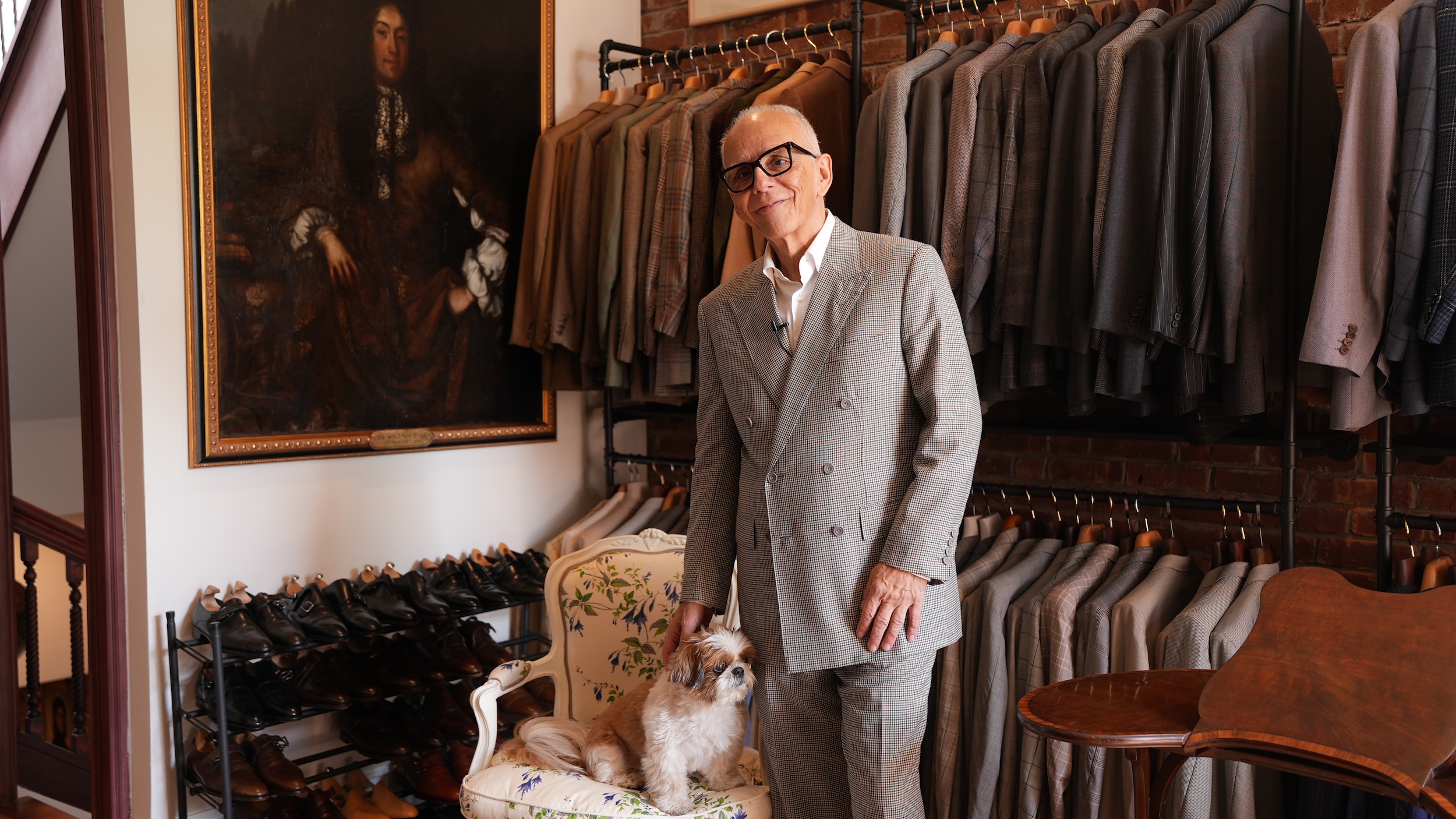
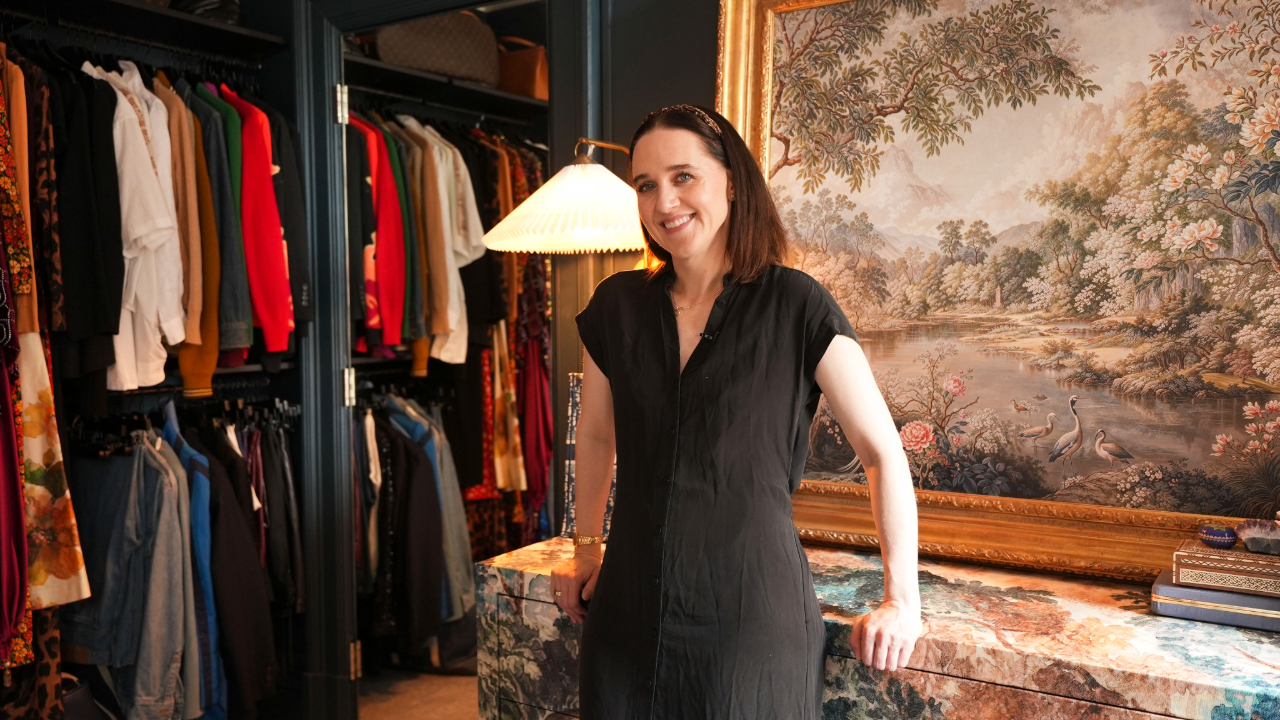
Most people have closets, but Robert has a dressing room the size of most New York City living rooms, and he wouldn't have it any other way. After all, he notes, "I've always liked clothes and so I have a lot of them." More specifically, he owns quite a few suits. "I'm uncomfortable not wearing a suit, honestly," he adds.
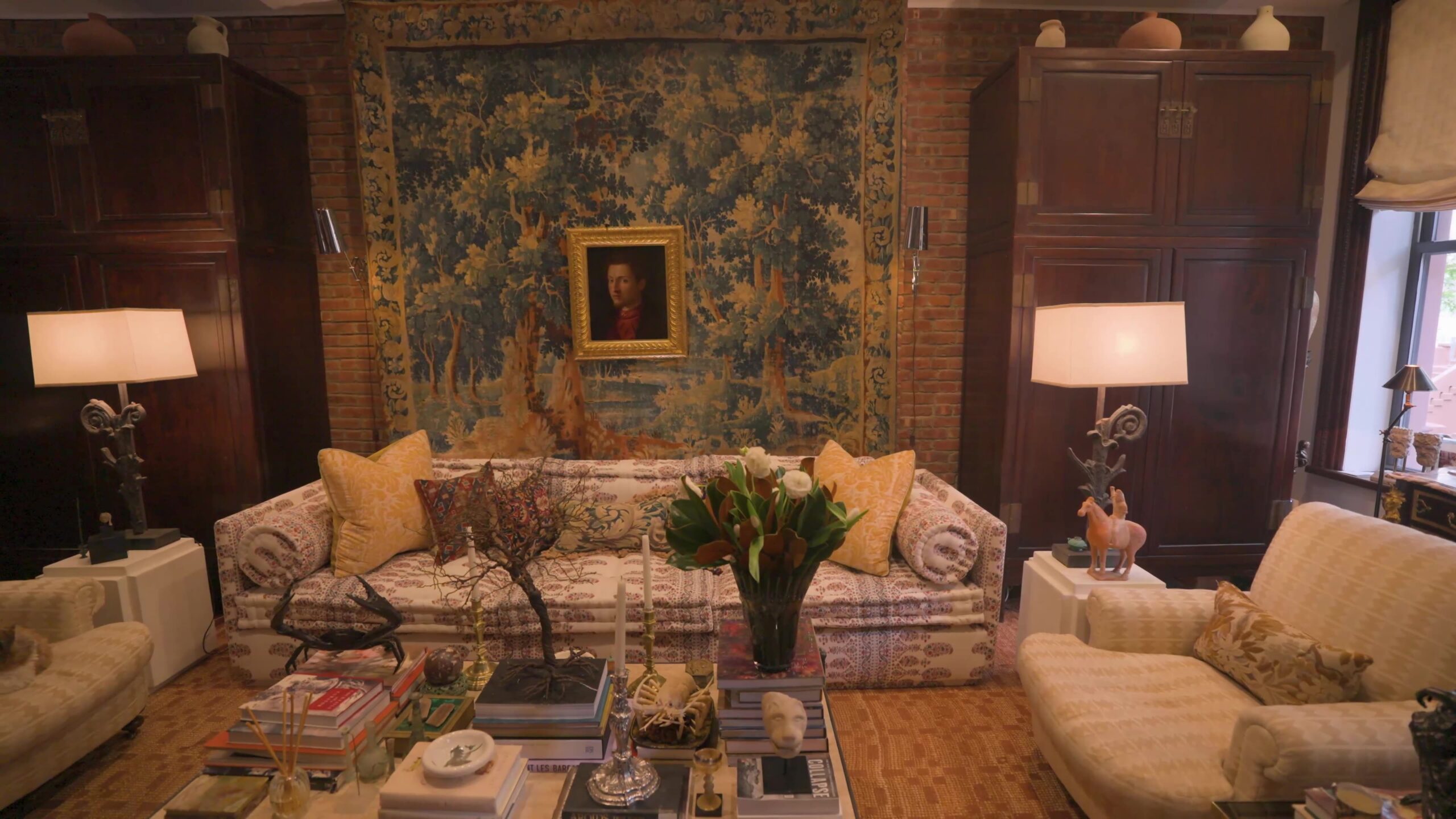
Robert calls the main level of the house the parlor floor warehouse because it houses so many pieces of furniture, art, and decoration; it also serves several functions, including the living room, kitchen, and dining room. "When we first arrived here, it was very, very empty. And the brick walls were overwhelming," he laments. "Everybody wants brick walls, but I wasn't very fond of them, so we found a pair of Chinese cabinets and a tapestry, and I thought that this was going to be perfect to set the house."
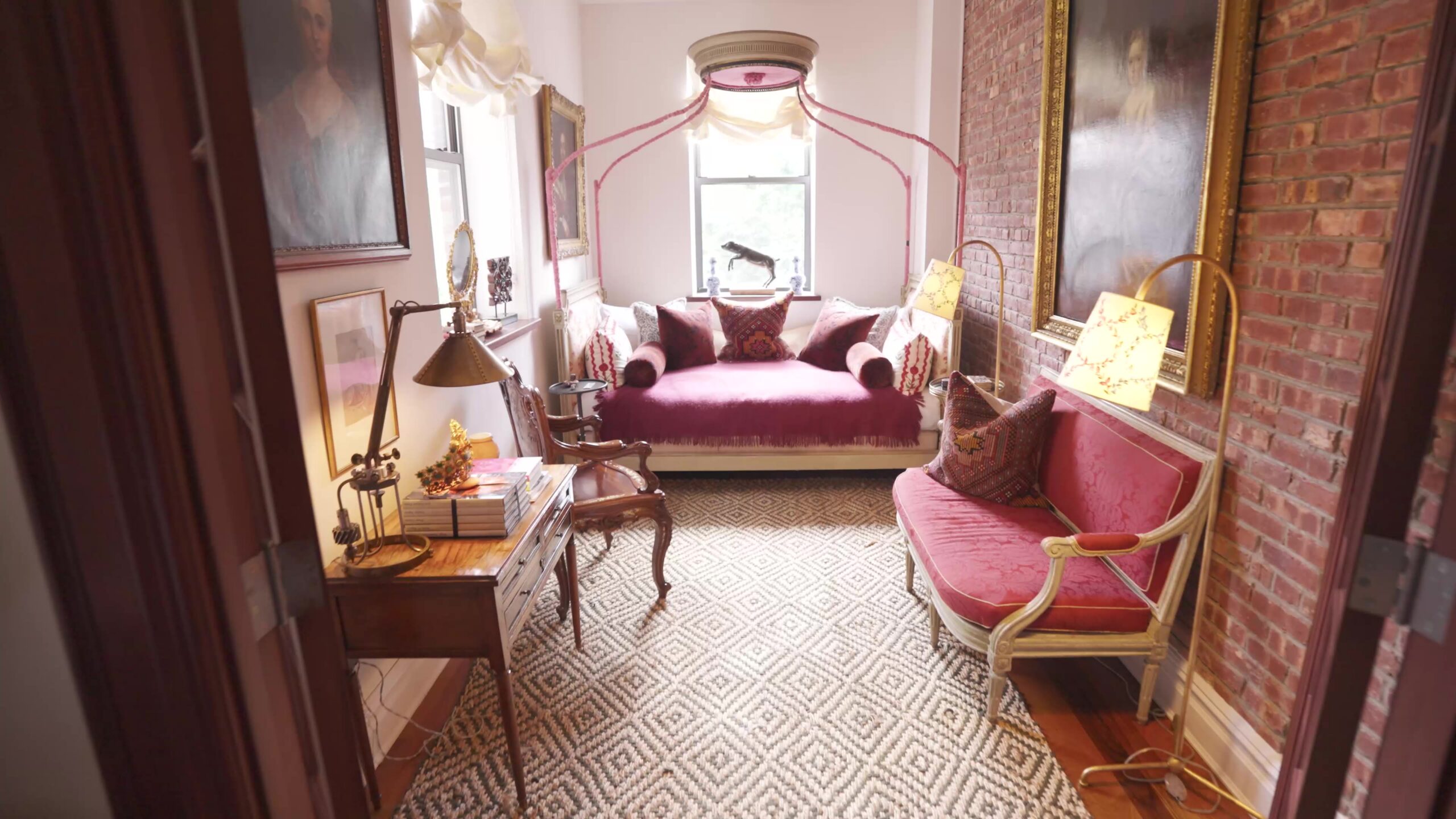
The guest room, Robert jokes, is meant for one person or a very close couple because the bed is a rather small 18th-century antique from France. His favorite antique in the room, though, is a pig that was found in Pompeii. It was later cast in bronze, and it now lives on the windowsill of Robert's home.
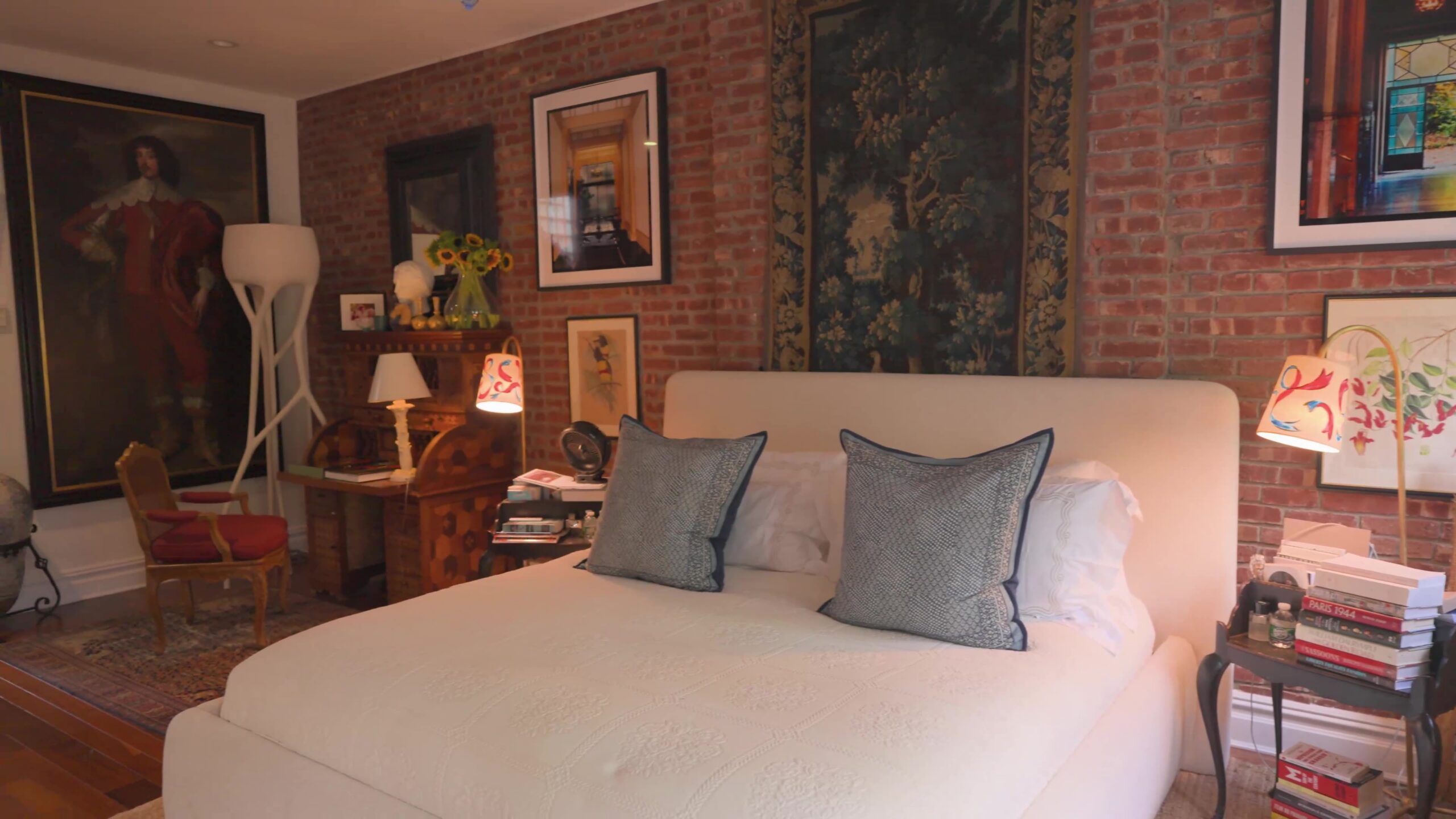
Robert's bedroom is where some of the most special pieces, including a late 19th-century Japanese desk, a Trevelyan sculpture, and an 18th-century French tapestry, live. Despite the collection of antiques, Robert's room is quite comfortable and hardly precious, and that was intentional. "think the design philosophy that should be preeminent is comfort," he insists. "And that's the difference with the houses that we have in Europe, where comfort is not the preeminent desire."
Shop the Look
More Episodes

SWOON-WORTHY NEWSLETTER
