

Historic Homes
A Fairytale Cottage In The English Countryside
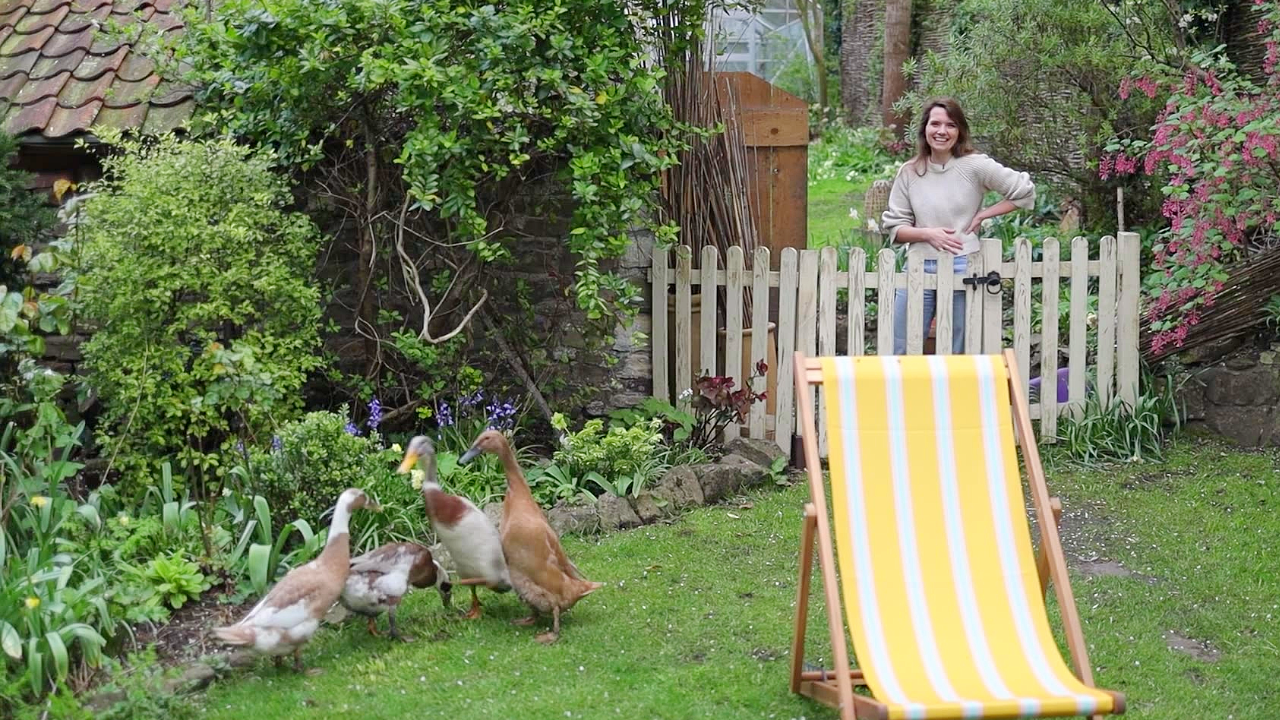
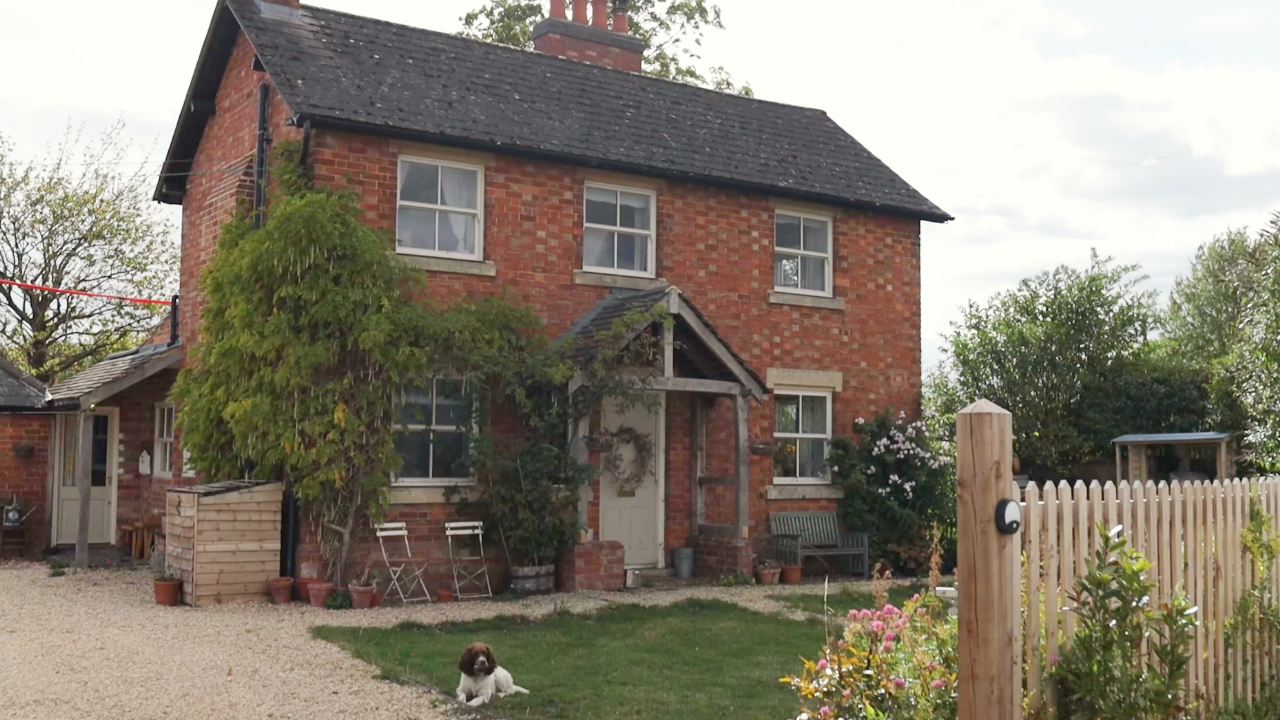
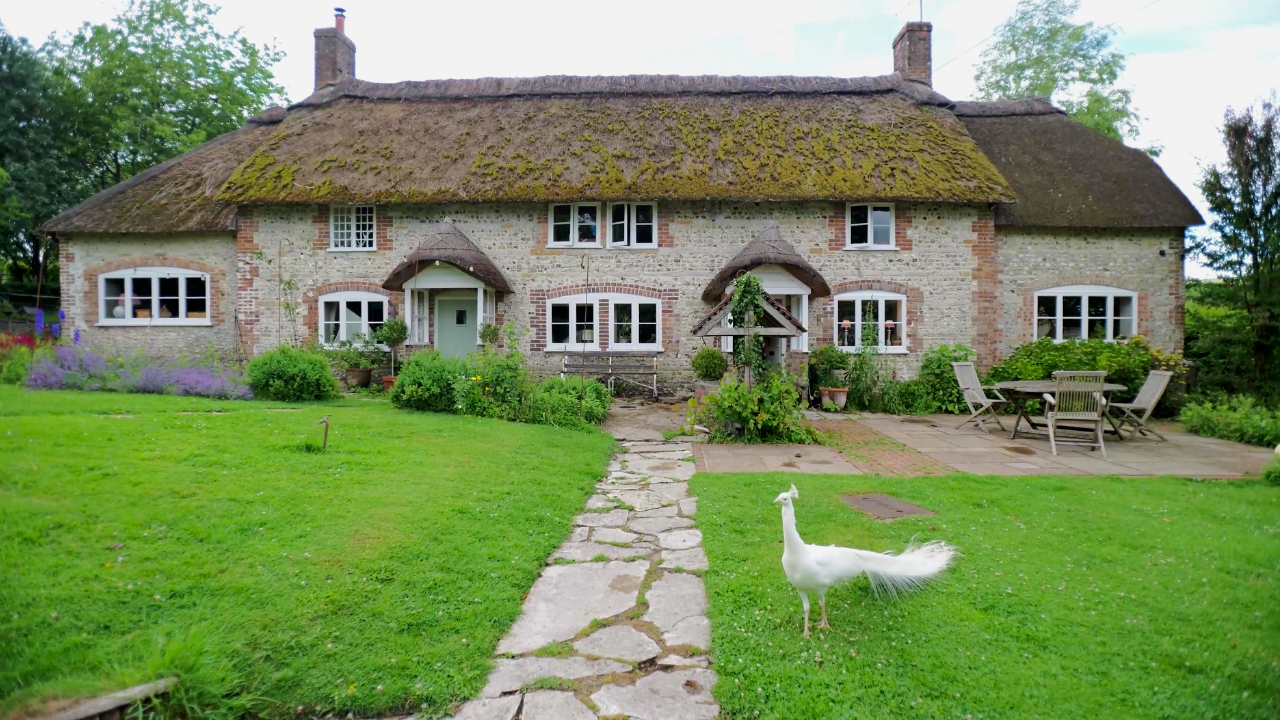
Set among the rolling hills of West Dorset, Tattie Isles' 18th-century thatched cottage feels as though it has stepped from the pages of a storybook. Surrounded by horses, peacocks, chickens, wildflowers, and winding country lanes, the centuries-old home is equal parts historic cottage, family retreat, and creative workshop—a place where daily life unfolds alongside nature.
Originally built in the 1700s as two workers' cottages, the house still bears traces of its earliest days. Twin front doors, matching staircases, and original fireplaces reveal its past, while thick stone walls and a traditional thatched roof continue to define its character. Rather than modernizing those features, Tattie and her husband embraced them, carefully uncovering original beams and simplifying later renovations to reconnect the house with its history.
"I feel very honored to be a custodian of it for a little bit of time," Tattie says.
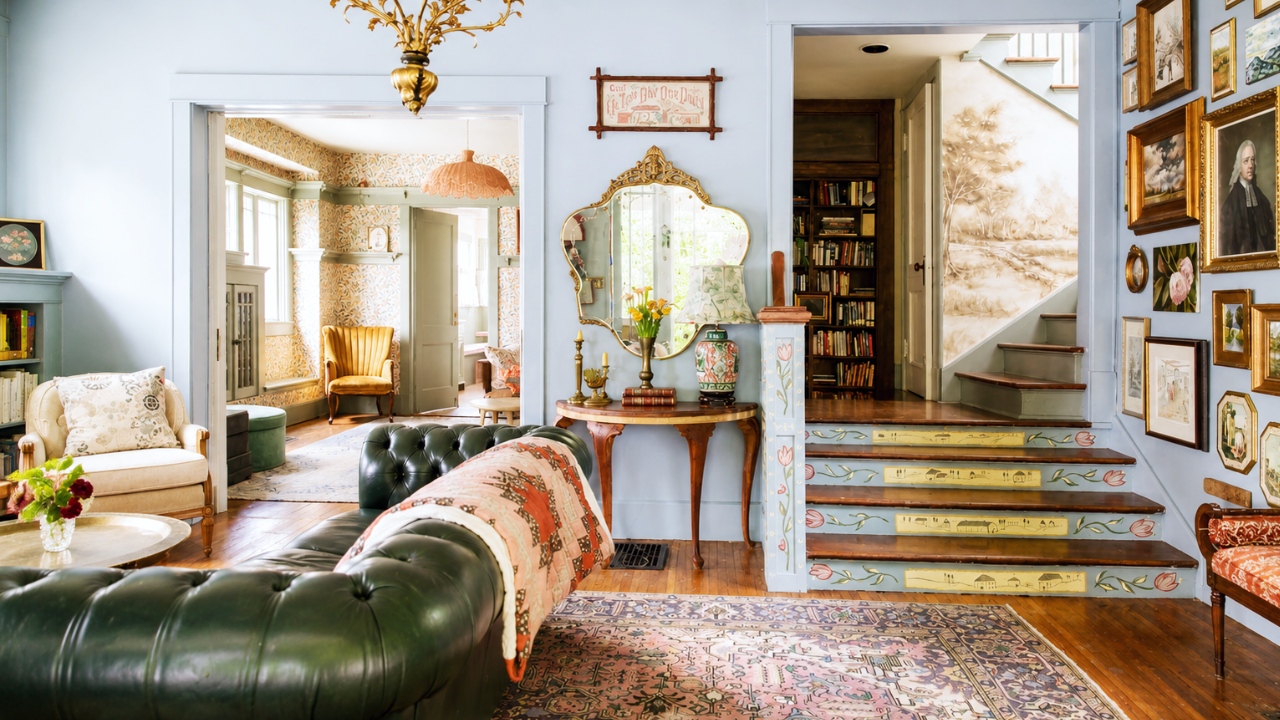
As a florist and set designer, Tattie is known for creating immersive floral installations around the world, but her own home reflects a quieter kind of creativity. Instead of following a decorating style, she has filled the cottage with antique textiles, handmade furniture, family heirlooms, baskets woven from willow, and objects gathered over decades. Hand-painted birds sweep across low timber ceilings, whimsical murals climb the staircases, and shelves display everything from fossils and feathers to children's collections of shells and sea urchins.
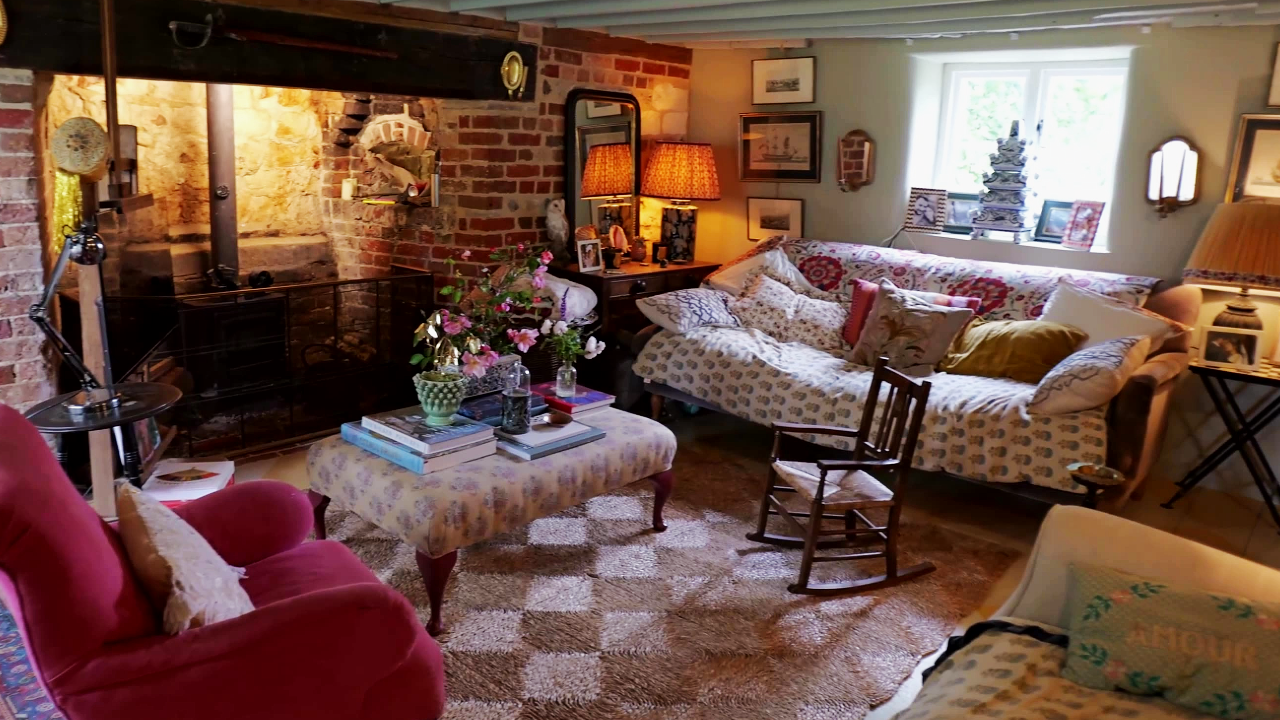
The interiors feel layered without feeling precious. Nearly every piece has a purpose or a memory attached to it, whether it's a rocking chair built by her great-grandfather, an antique dresser rescued from an auction house, or artwork exchanged with close friends. The result is a home that feels collected over time rather than decorated all at once.
Family life sits at the center of every design decision. Tattie and her husband share the cottage with their four children, whose creativity is woven throughout the house. Bedrooms are filled with books, natural curiosities, and handmade artwork instead of perfectly coordinated furnishings. Fancy dress costumes hang ready for impromptu adventures, while murals evolve as the children dream up new animals and characters to add.
"I've decorated this house with my children in mind," Tattie says. "It's not designed at all. It is just a reflection of our family."
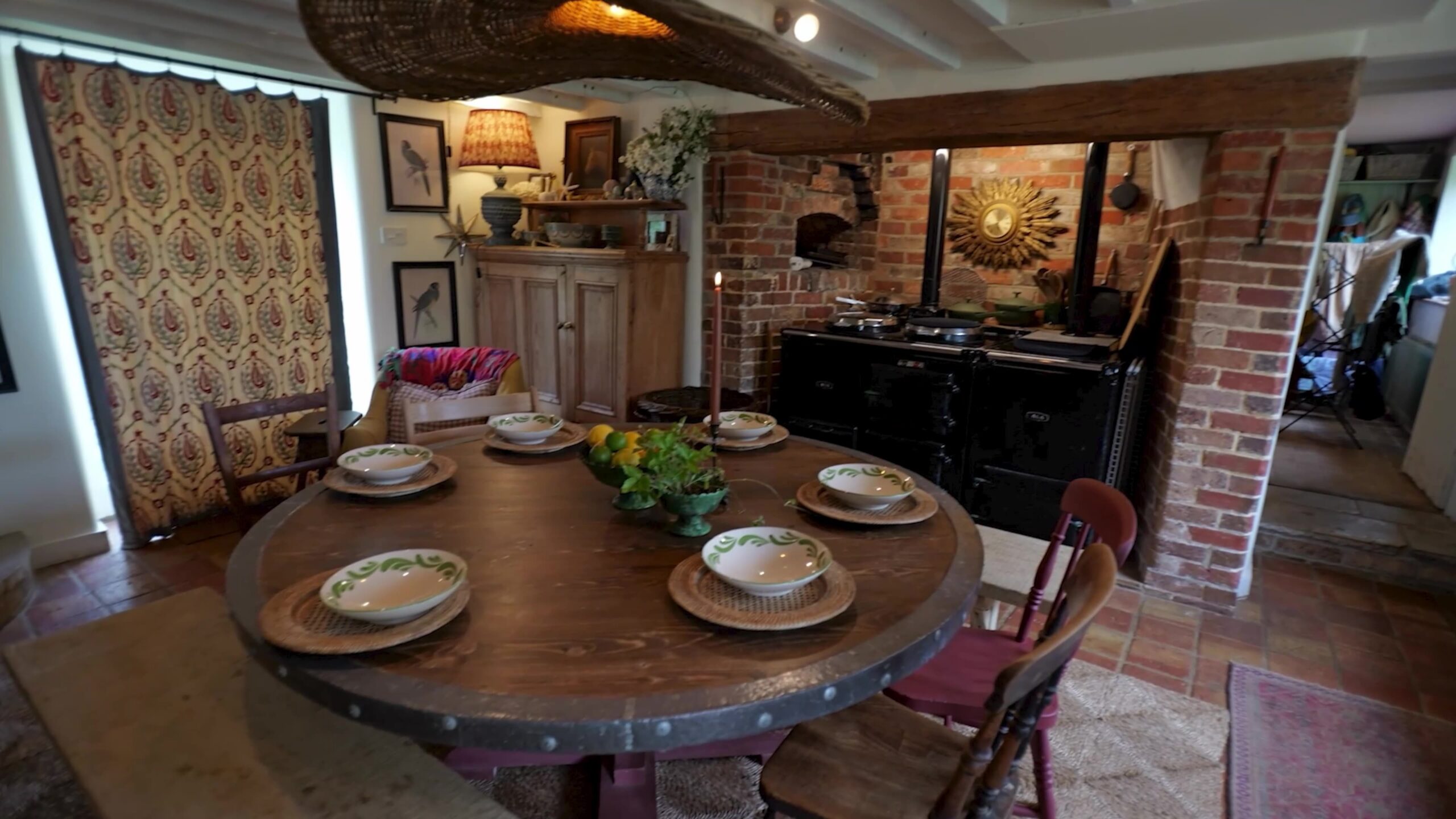
The kitchen remains the heart of the home, anchored by a traditional Aga that warms the house year-round. A custom-built island allows Tattie to cook while facing family and friends gathered around the table, while a generous window seat has become a favorite spot for reading, drawing, and lingering over conversation. Throughout the cottage, practicality quietly shapes the design. Baskets collect boots and blankets, benches squeeze in extra guests, and hardworking utility spaces make country living feel effortless.
Outside, the connection to nature becomes even more apparent. Horses graze nearby, peacocks wander freely through the garden, and rescued wildlife regularly finds its way into the family's care. A flower studio and teaching space sit alongside the cottage, where Tattie hosts floral workshops and develops installations for weddings, events, and private clients around the world. The gardens themselves are intentionally informal, with climbing roses, ancient wisteria, and seasonal flowers softening every path.
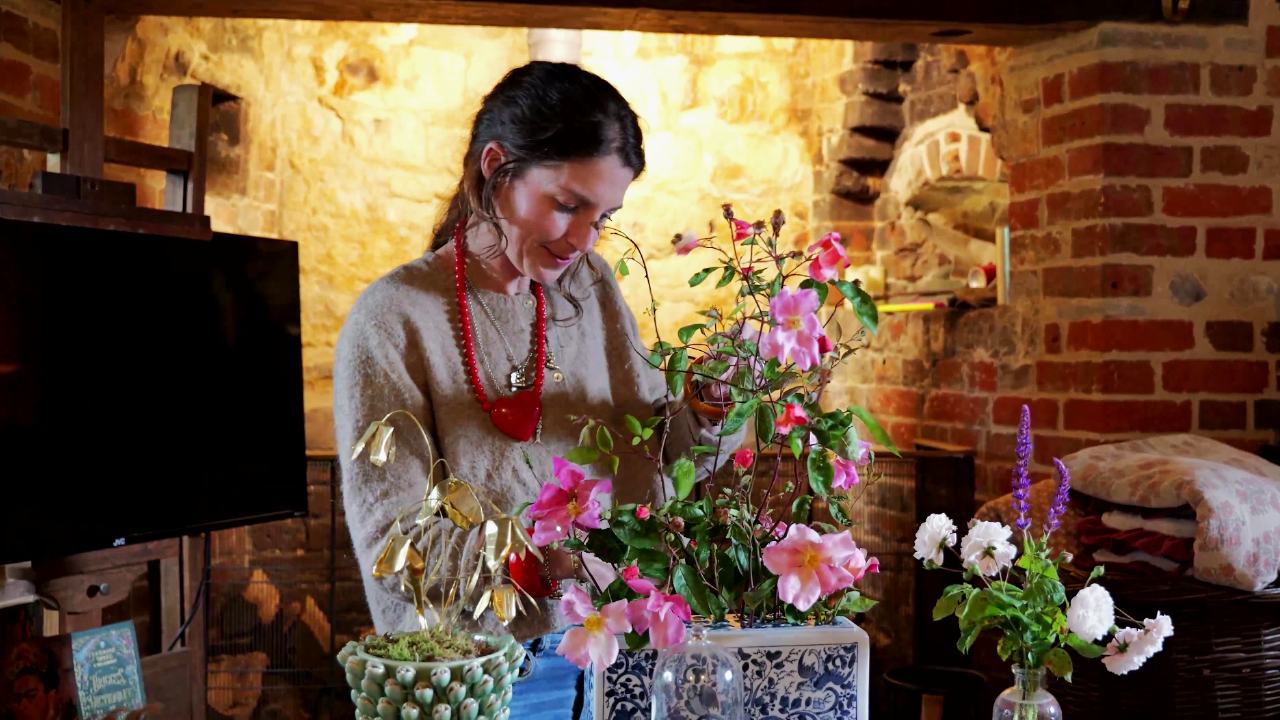
Perhaps what makes the cottage so memorable isn't simply its age or architecture, but the sense that it continues to evolve. Rooms shift as children grow, murals expand, furniture moves, and new collections slowly find their place. Nothing feels frozen in time, despite the home's three centuries of history.
That balance between preservation and playfulness is what gives the cottage its unmistakable charm. Historic without feeling formal and imaginative without feeling theatrical, Tattie Isles' Dorset home offers a refreshing reminder that the most enduring interiors are shaped not by trends, but by the lives lived within them.
More Episodes
SWOON-WORTHY NEWSLETTER
