


Historic Homes
A Charming 200-Year-Old Cottage in the Hamptons
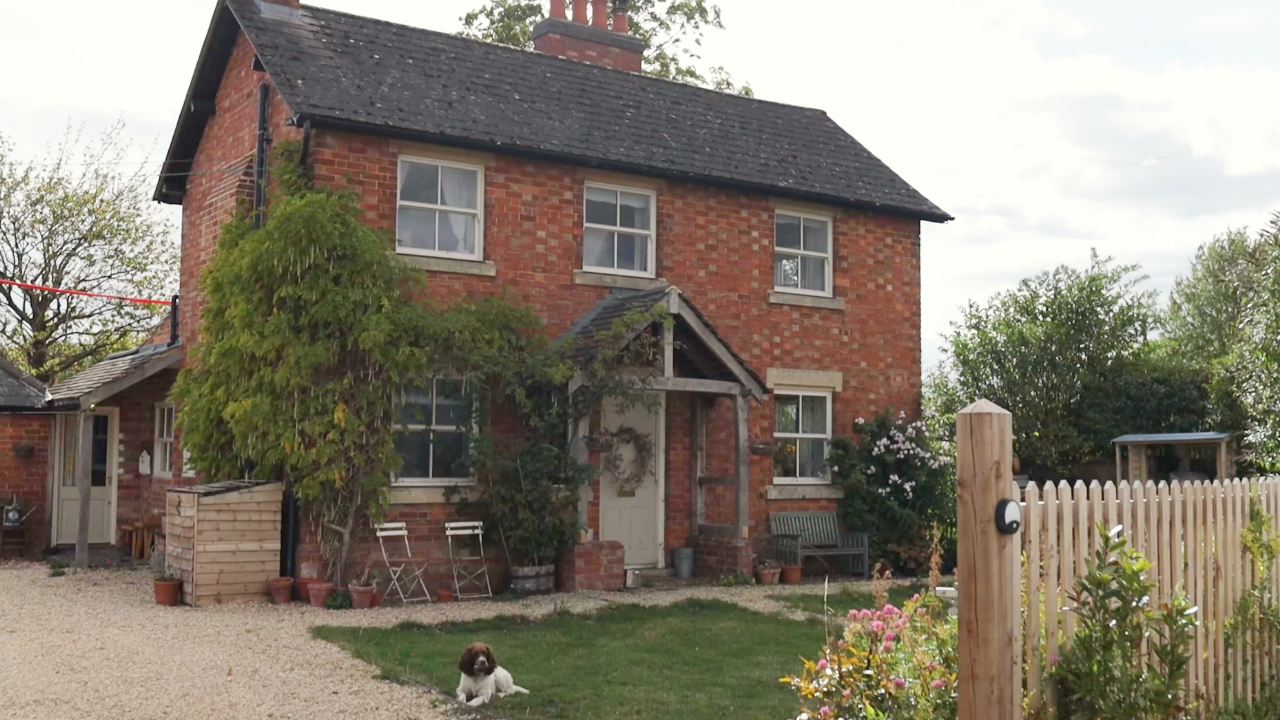
When Anthony Squatrito and Paul Horn purchased their farmhouse in Water Mill, New York, they knew this wasn't going to be an easy renovation. The 1790 home—one of the oldest in the Hamptons—was in what Paul describes as "estate condition," requiring nearly every surface, system, and structural element to be rebuilt.
Rather than hiring out the work, Paul spent years restoring much of the house himself, tackling the project on weekends while working full time in banking. That passion eventually became a second career, and today he leads Bridge Lane Associates, a Hamptons-based design-build firm. Anthony, an interior designer, focused on shaping the home's interiors, creating rooms that feel collected, comfortable, and deeply connected to the house's history.
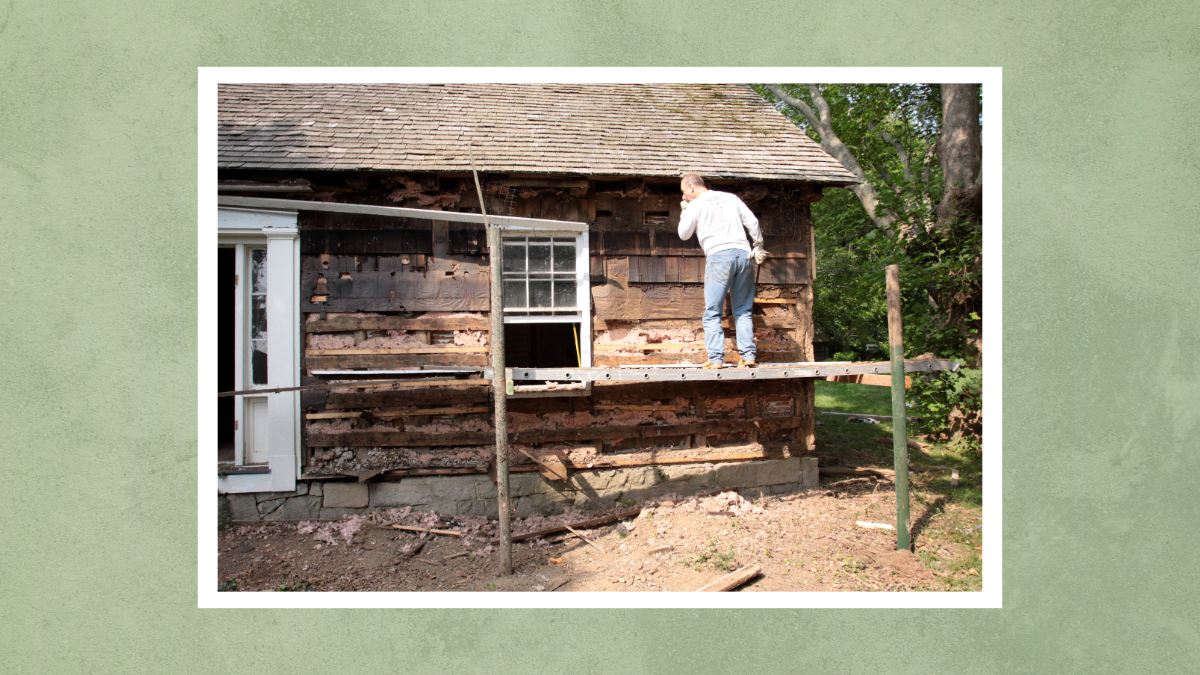
"We brought it down to the bones and back again," Paul says.
The renovation was as much about preservation as it was transformation. Protected by the Peconic Land Trust, the house's exterior could not be expanded or significantly altered, requiring the couple to work almost entirely within the original footprint. Instead of trying to recreate an exact period restoration, they focused on preserving the home's character while making it functional for contemporary life.
"We were really challenged," Paul says. "Was it a renovation? Was it a rehab? Was it a restoration?" The answer became something in between: a thoughtful renovation that respected the architecture while acknowledging that a 21st-century family lives there today.
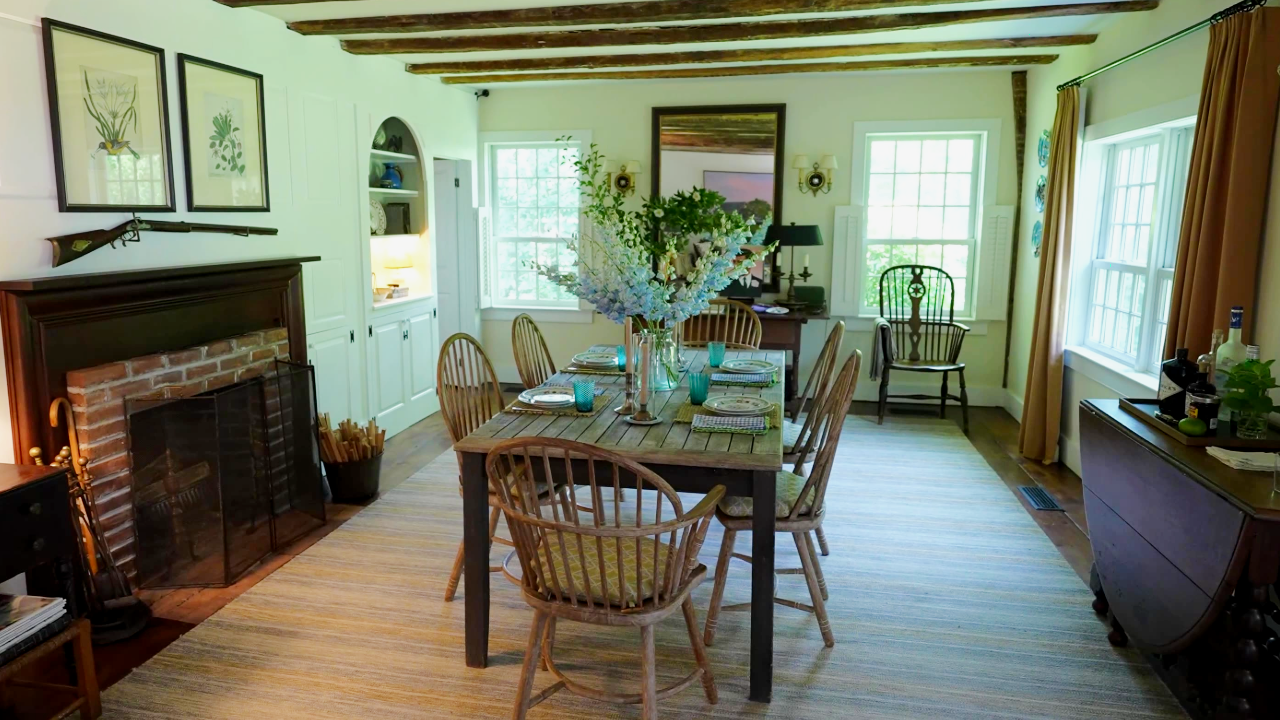
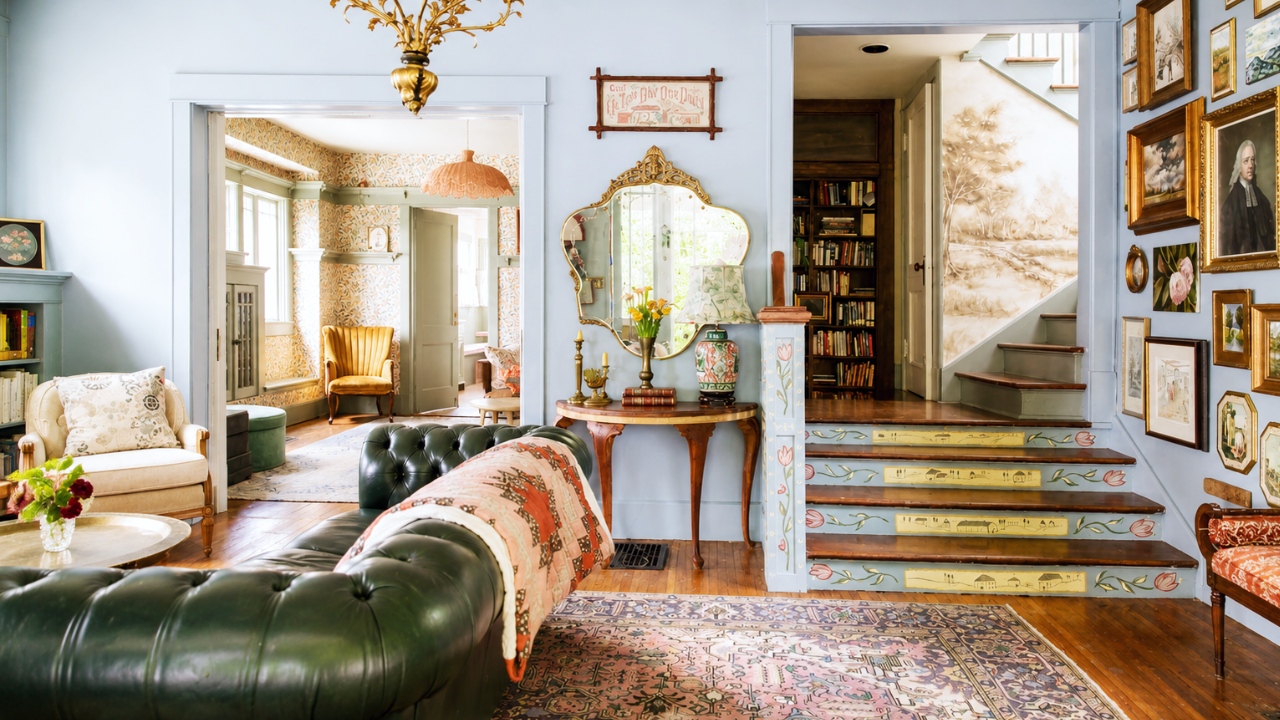
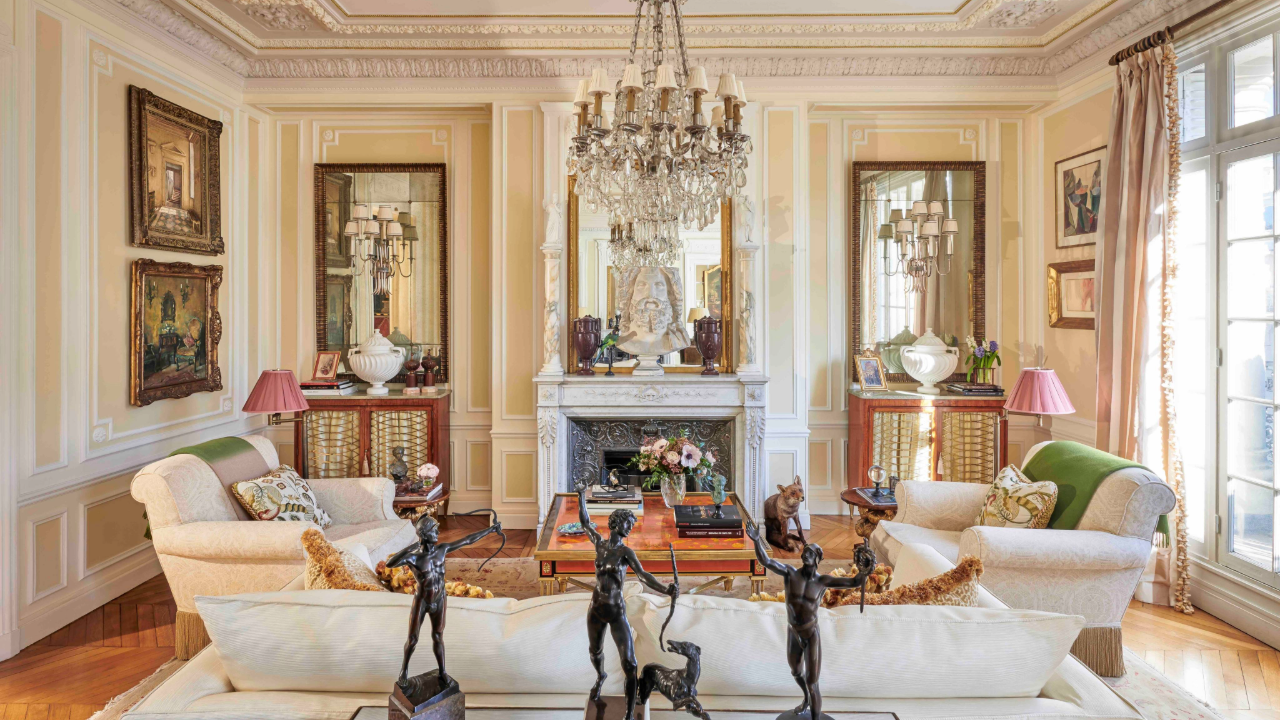
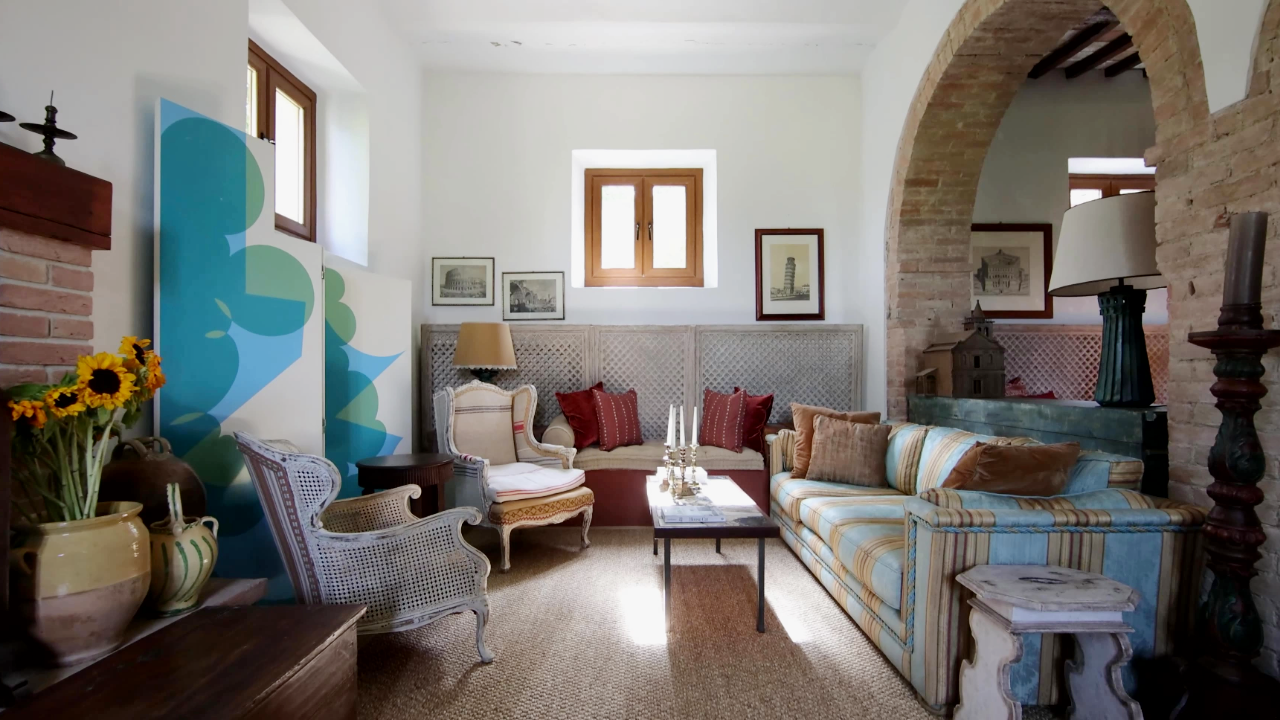
Inside, original pumpkin pine floors, exposed beams, and five fireplaces establish the home's historic foundation. Anthony complemented those architectural details with antiques collected over decades, contemporary artwork, inherited furniture, and pieces discovered during countless antiquing trips through New England. The result is layered without feeling overly styled, balancing English country influences with a distinctly American sensibility.
Many of the home's furnishings weren't purchased for a specific room. Instead, the couple collected objects they loved and allowed the house to dictate where each piece belonged. Antique ship paintings hang alongside contemporary works by friends, while English textiles, vintage lighting, folk art, and family heirlooms coexist naturally throughout the rooms.
"I feel like this house told us what it wanted to be," Anthony says.
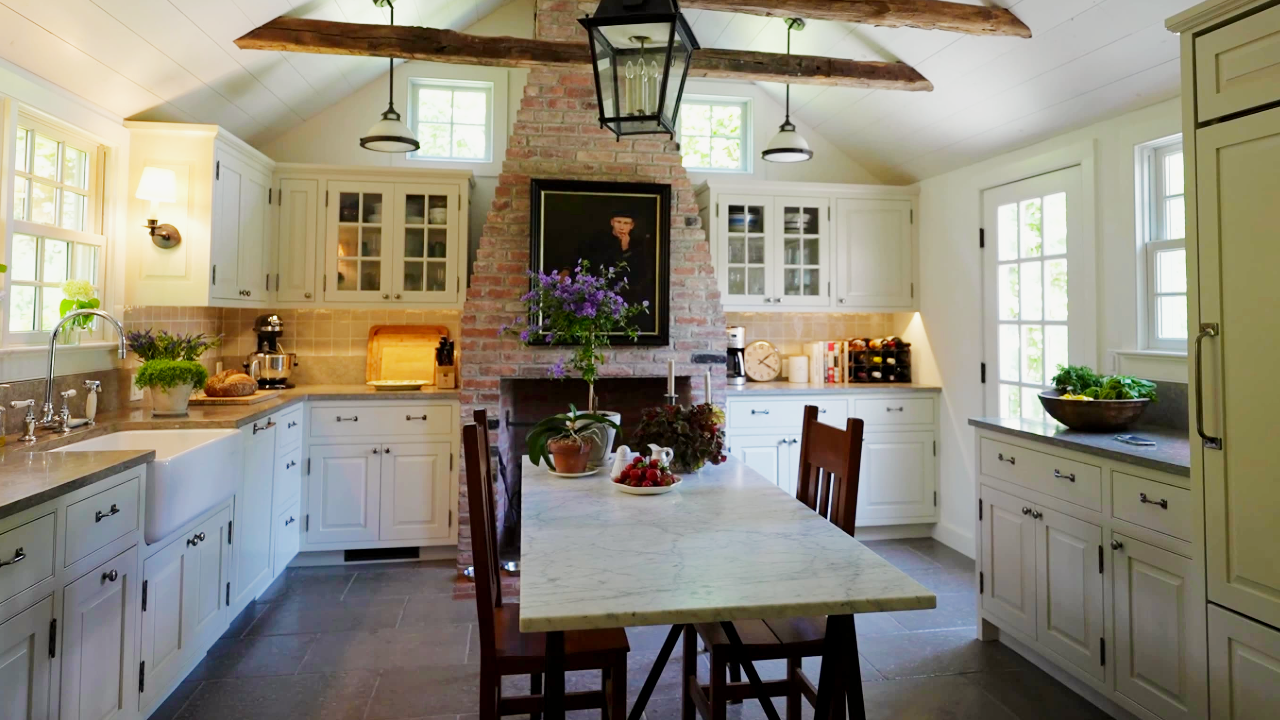
That philosophy extends beyond decoration. During the renovation, Paul uncovered a hidden fireplace in the living room, rebuilt the kitchen chimney using salvaged bricks from the original structure, and sourced antique beams to replace sections too deteriorated to save. In the kitchen, ceiling heights were raised, historic framing was preserved, and warm materials—including limestone floors, painted cabinetry, and reclaimed architectural details—create a space that feels entirely appropriate for a house of this age without sacrificing function.
The same careful approach continues upstairs, where low ceilings were opened to expose original beams and compact guest rooms were reconfigured to maximize space while preserving the home's intimate scale. Throughout the house, modern interventions are subtle, allowing the craftsmanship and proportions of the original architecture to remain the focus.
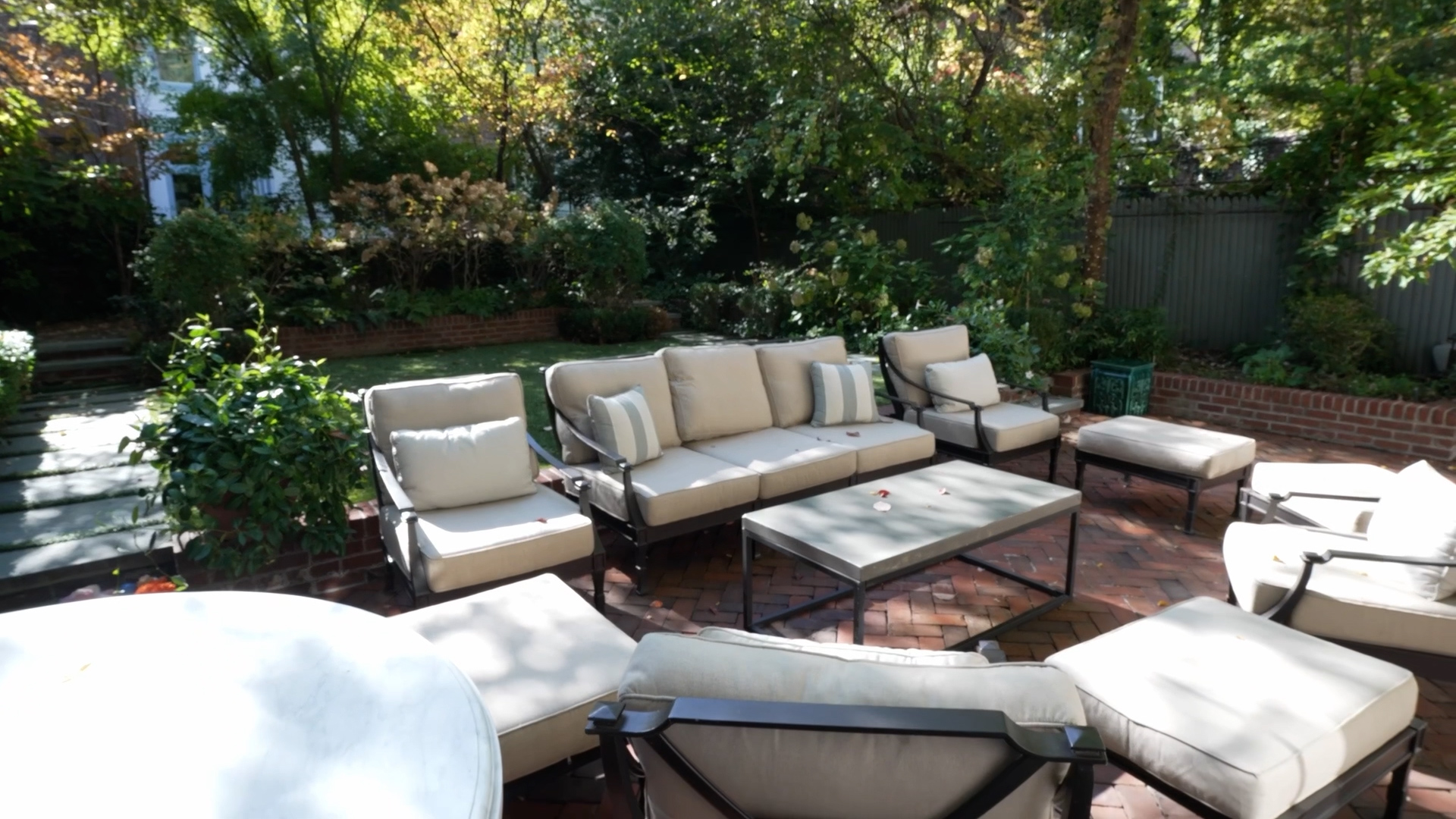
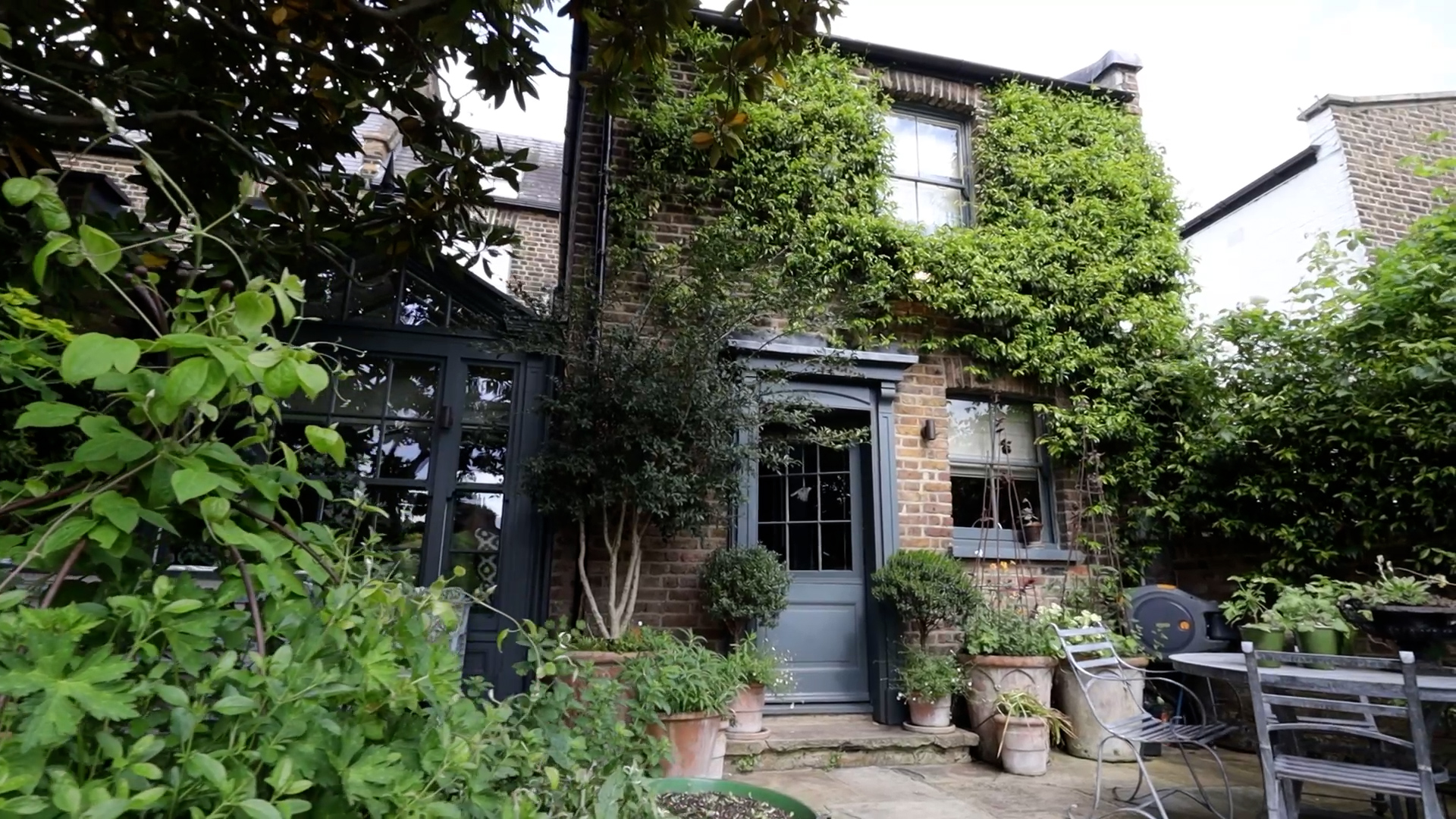
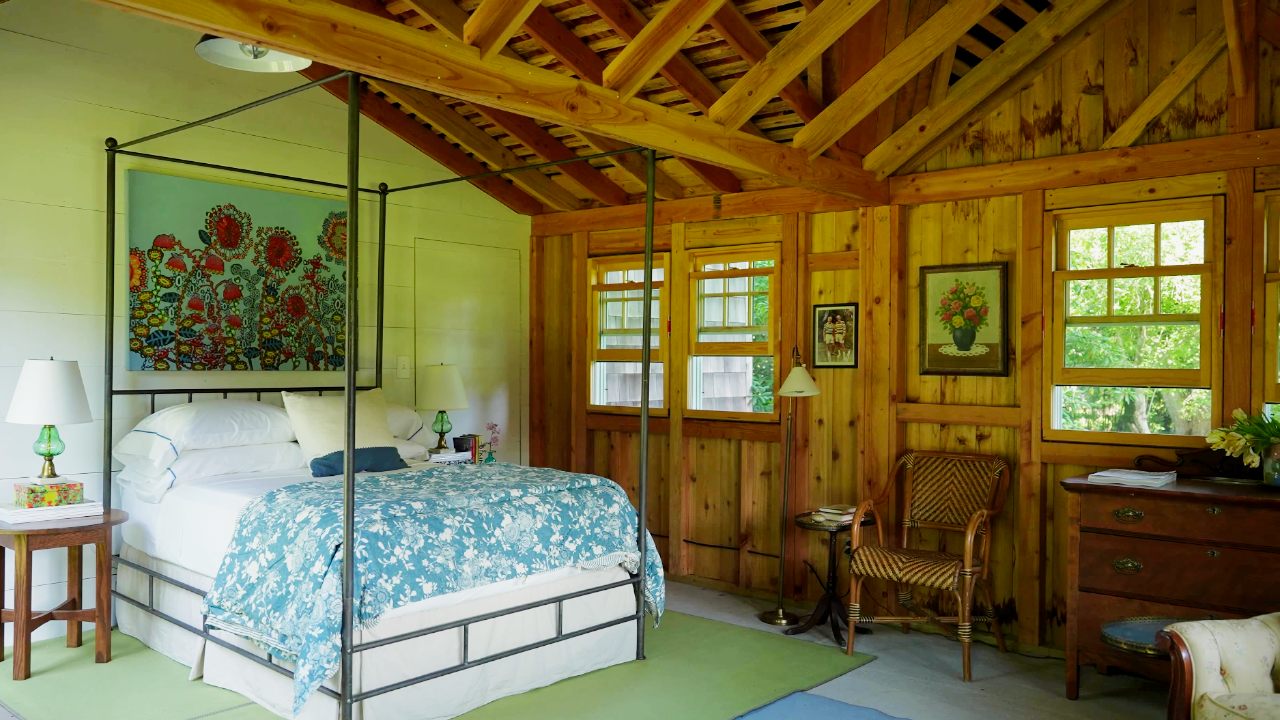
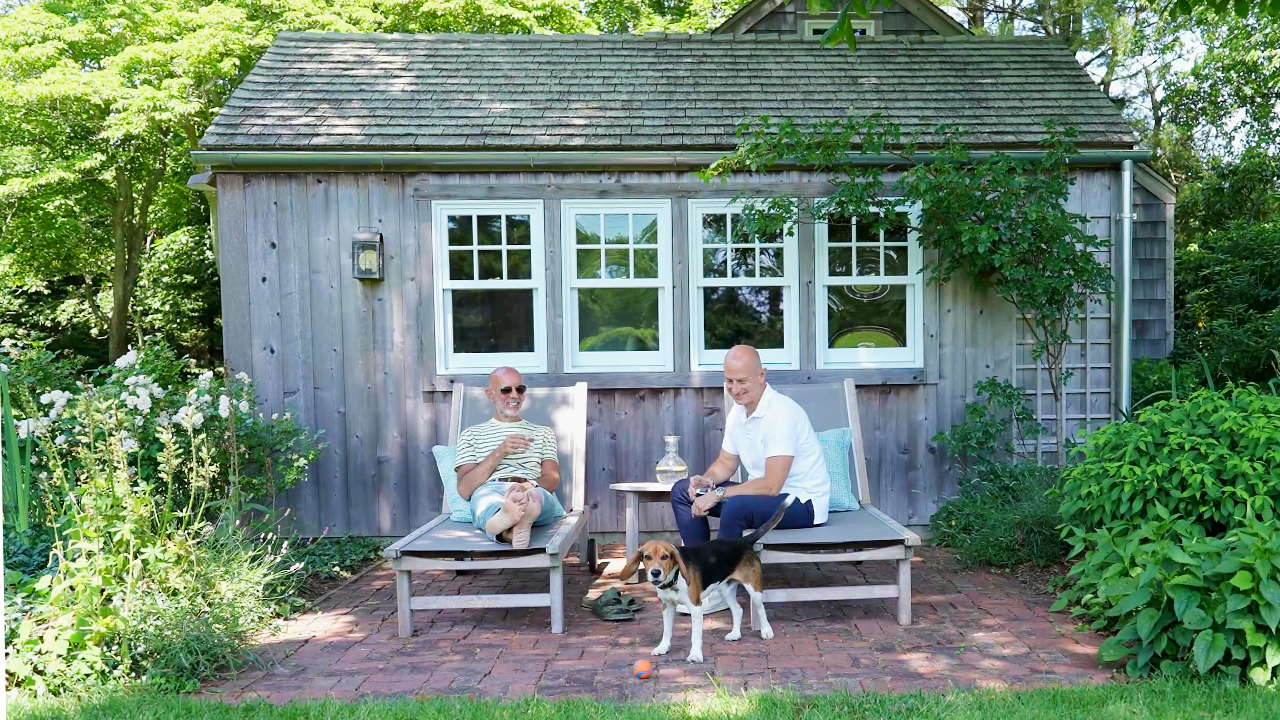
Outside, the property is equally thoughtful. The couple rebuilt a deteriorated 1907 cottage during the pandemic, transforming it into a flexible guest retreat that echoes the character of the main house. A restored pond, mature hydrangeas, and multiple outdoor gathering spaces reinforce the feeling that the property has evolved gradually over generations rather than through a single renovation.
Despite the home's historical significance, Anthony and Paul never wanted it to feel like a museum. Family dinners regularly fill the dining room, nieces and nephews race through the gardens, and weekends revolve around cooking, entertaining, and gathering outdoors whenever the weather allows.
"I don't really think of this house as being decorated," Anthony says. "I think of it being collected."
That distinction defines the home. Every design decision—from preserving centuries-old architectural details to introducing contemporary artwork—supports a house that feels lived in rather than staged. It's an approach rooted in patience, craftsmanship, and restraint, proving that the most successful historic renovations aren't about recreating the past—they're about ensuring a remarkable home continues to thrive well into the future.
More Episodes
SWOON-WORTHY NEWSLETTER
