
Country Estates
A Beautifully Restored 200-Year-Old Farmhouse in the Italian Countryside
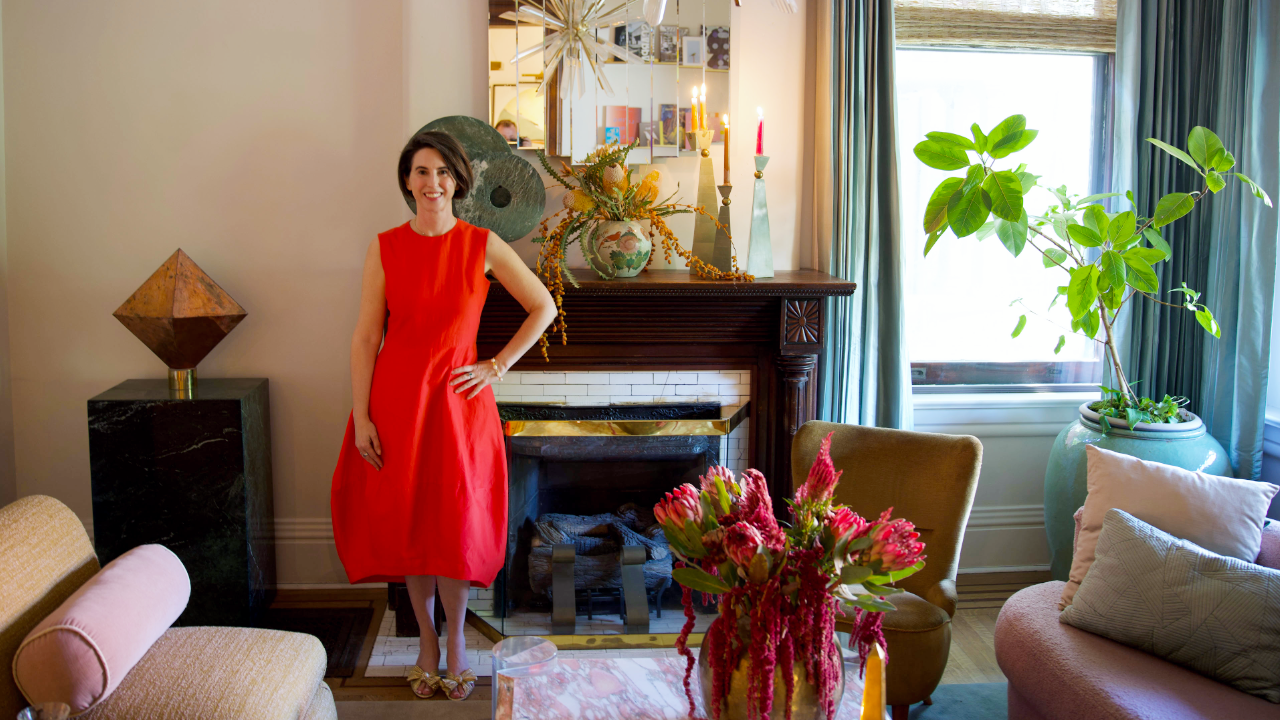
When interior designer Meg Rodgers and her husband began imagining a home in Italy, they weren't looking for a renovation project. They wanted a place with history, strong architectural bones and enough flexibility to become a gathering place for family and friends.
In the hills of Umbria, they found exactly that: a centuries-old stone farmhouse that needed little structural work but offered endless opportunities to layer in personality.
Rodgers, founder of Philadelphia-based Marguerite Rodgers Interiors, said the purchase happened almost by accident. After the pressures of the pandemic and years of running businesses, she encouraged her husband—who had lived in Rome during the 1980s—to take a trip back to Italy. He toured eight properties before settling on the farmhouse.
"It fit all of the things that we were looking for," Rodgers said. "Not to have to do a major renovation, have enough bedrooms, not too large."
Rather than reinvent the house, the couple focused on enhancing what was already there. They repainted the interiors, replaced light fixtures and refreshed the gardens, while leaving the home's original structure intact. Previous renovations to the bathrooms remained untouched, allowing their attention to shift toward furnishing the spaces with pieces that felt collected instead of decorated.
Nearly every room mixes antiques discovered in Italian markets with artwork, textiles and furnishings the couple transported from Philadelphia. Rugs traveled in suitcases. Prints were carried flat and framed by a local artisan. Chandeliers came from the renowned antiques fair in Arezzo. Along the way, Rodgers built a palette of soft turquoise and warm yellow after falling in love with one early painting that set the tone for the rest of the interiors.
The house also tells the story of its previous owners. Rodgers intentionally kept select pieces they left behind, weaving them into the design rather than replacing them.
"It felt like part of the story and part of the soul of the home," she said.
Custom details help bridge old and new. Decorative radiator covers, designed in Philadelphia and built locally, create rhythm along the walls without competing with the home's historic architecture. Throughout the farmhouse, built-in bookshelves display collections gathered across decades of travel, including finds from Morocco, Istanbul and markets throughout Italy.
The process was remarkably methodical. Rodgers kept detailed measurements and shopping lists, allowing her to confidently purchase antiques while traveling. Every piece had a purpose before it entered the house.
Outside, the gardens became one of the property's biggest transformations. While previous owners had maintained the landscape, Rodgers said the grounds needed renewed attention to restore their fullness. Today, the outdoor spaces are as carefully considered as the interiors, extending the home's relaxed rhythm into the Umbrian countryside.
Despite its polished appearance, the farmhouse is designed to be lived in. A game room hosts afternoons of chess and cribbage. Long tables invite lingering dinners. Collections accumulated over years of travel sit comfortably beside inherited pieces and local finds.
The result feels less like a showcase than an evolving family home—one rooted in place, shaped by thoughtful restraint and enriched through layers of memory. Instead of imposing a singular design vision, Rodgers allowed the farmhouse's history to guide each decision, proving that the most compelling interiors are often the ones that reveal themselves slowly.
More Episodes

SWOON-WORTHY NEWSLETTER
